Orthodontic Retainers After Braces or Invisalign: Types, Costs and Care
Finishing braces or Invisalign treatment is a big milestone, but the work of keeping your smile straight does not end there. Teeth naturally want to shift back toward their original positions, a process called relapse. Retainers are the tool that prevents this. This guide explains the common types of retainers, honest cost expectations for Gurugram, and simple care habits to protect your investment.
Why Retainers Are Necessary
After braces or aligners move your teeth, the bone and gum tissue around them need time to stabilise in the new positions. Without a retainer, even well-aligned teeth can drift within weeks. This is why dentists in Gurugram and elsewhere almost always recommend some form of retention plan after active orthodontic treatment.
Types of Retainers
Removable Wire Retainers (Hawley Retainers)
These are made of a acrylic plate that sits against the roof of the mouth or floor of the mouth, held in place with a thin metal wire across the front teeth. They are durable, adjustable, and easy to clean since you take them out.
Clear Plastic Retainers (Essix or Vacuum-Formed Retainers)
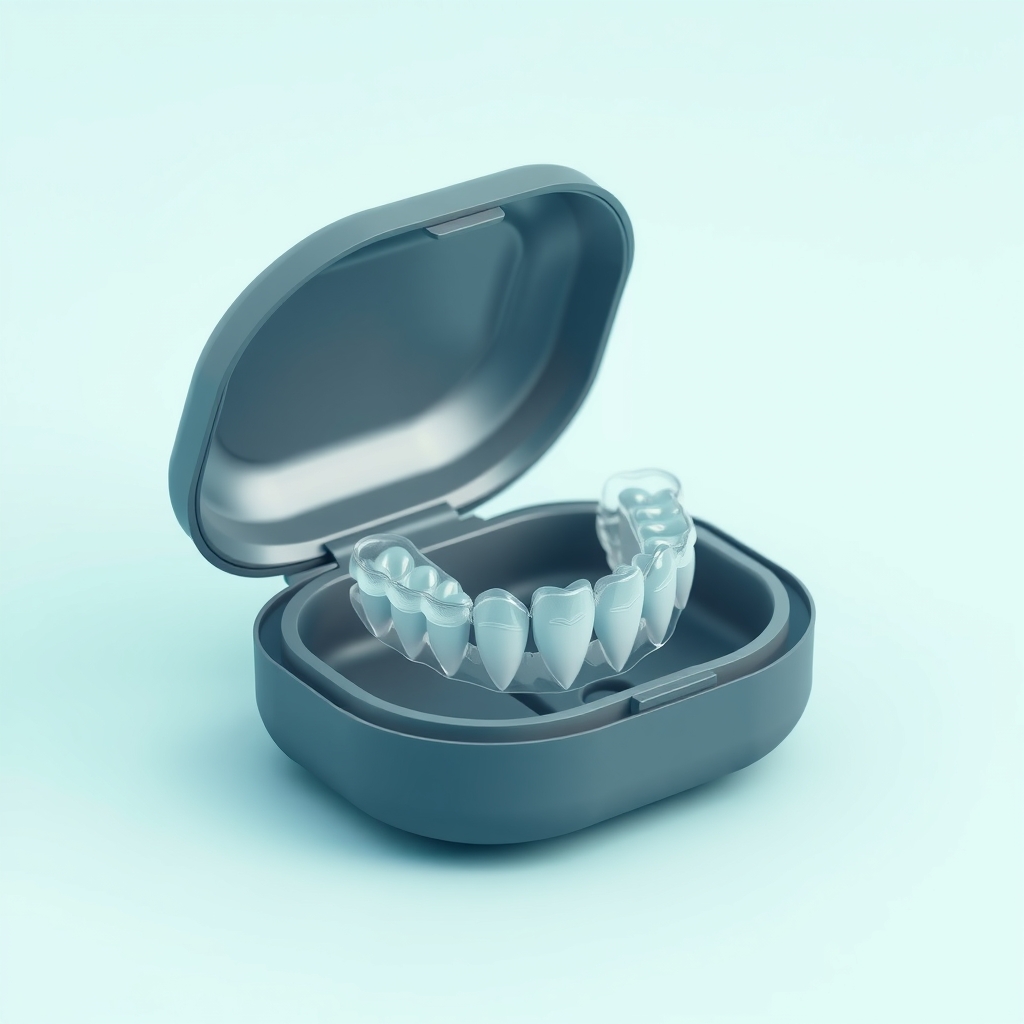
These look similar to Invisalign trays and fit snugly over all your teeth. They are nearly invisible, which many patients prefer, though they can be slightly less durable than wire retainers and may need replacement sooner.
Fixed (Bonded) Retainers
A thin wire is bonded to the back of the lower or upper front teeth and stays in place permanently unless removed by a dentist. These are useful for patients who are likely to forget removable retainers, but they require careful brushing and flossing around the wire.
Combination Approach
Many orthodontists suggest a fixed retainer on the lower front teeth along with a removable retainer for the upper teeth, giving benefits of both approaches.
| Retainer Type | Visibility | Typical Range (INR) |
|---|---|---|
| Hawley (wire) retainer, per arch | Visible wire | 2,500 to 6,000 |
| Clear plastic retainer, per arch | Nearly invisible | 3,000 to 7,000 |
| Fixed bonded retainer, per arch | Not visible | 3,500 to 8,000 |
These are typical ranges seen across dental clinics in Gurugram and can vary based on the materials used, the number of teeth involved, and whether it is a first-time fitting or a replacement. Your dentist can give you a specific estimate after an examination.
Caring for Your Retainer
Daily Cleaning
- Rinse removable retainers with cool water every time you take them out
- Brush them gently with a soft toothbrush, avoiding toothpaste which can be abrasive
- Soak in a retainer cleaning solution or mild soapy water a few times a week
- For fixed retainers, use a floss threader or interdental brush to clean around the wire daily
Storage and Handling
- Always keep removable retainers in their case when not in your mouth
- Avoid leaving them near pets, in napkins, or in hot places like a car dashboard
- Never bend or force a wire retainer that feels tight, contact your dentist instead
What to Avoid
- Hot water, which can warp clear plastic retainers
- Chewing gum while wearing a removable retainer
- Skipping wear time for several days without checking with your dentist first
Signs Your Retainer Needs Attention
See your dentist if you notice the retainer feels loose or too tight, if you spot cracks or discoloration, or if a fixed retainer wire feels like it has come loose from a tooth. Catching these issues early prevents unwanted tooth movement.
Long-Term Retention Habits
Even years after braces, many people benefit from wearing a retainer a few nights a week to hold their result. Regular dental check-ups also allow your dentist to catch early signs of shifting before they become noticeable. Think of retainer wear as ongoing maintenance rather than a task with a fixed end date.
If you have completed orthodontic treatment and want guidance on the right retainer type or need a replacement, the team at Neo Smile Dental Clinic in Sector 9A, Gurugram, opposite ESI Hospital, can assess your bite and recommend a suitable option. You can reach the clinic at +91 79482 21586.
Have questions about your teeth?
Neo Smile Dental Clinic · 799 First Floor, Sector 9A, Opposite ESI Hospital, Gurugram
Frequently asked questions
How long do I need to wear my retainer after braces?
Most orthodontists recommend wearing it full time for the first 3 to 6 months, then only at night for at least a year or two. Many patients continue wearing it a few nights a week indefinitely because teeth can shift at any age.
Can I stop wearing my retainer once my teeth feel stable?
It is best not to stop suddenly. Teeth can drift even years after treatment, especially if you skip retainer wear for long stretches. Gradually reducing frequency under your dentist's guidance is safer than stopping completely.
What happens if I lose or break my retainer?
Contact your clinic as soon as possible for a replacement. Teeth can start shifting within days to weeks without a retainer, so avoid long gaps between losing one and getting a new one made.
Are fixed retainers better than removable ones?
Neither is universally better. Fixed retainers work well for people who may forget removable ones, while removable retainers are easier to clean around and can be adjusted or replaced without a dental visit.
Treatment costs mentioned on this page are indicative ranges for the Gurugram region. Your exact cost depends on your case and will be confirmed after a clinical examination at the clinic.