Impacted Canine Tooth: Causes, Diagnosis, and Treatment Options
If your child's canine tooth seems to be taking far too long to come in, or an adult canine never appeared at all, you may be dealing with an impacted canine. This is a common finding at dental checkups in Gurugram, and it is very treatable when caught in time. Here is what it means and what your options are.
What is an impacted canine tooth?
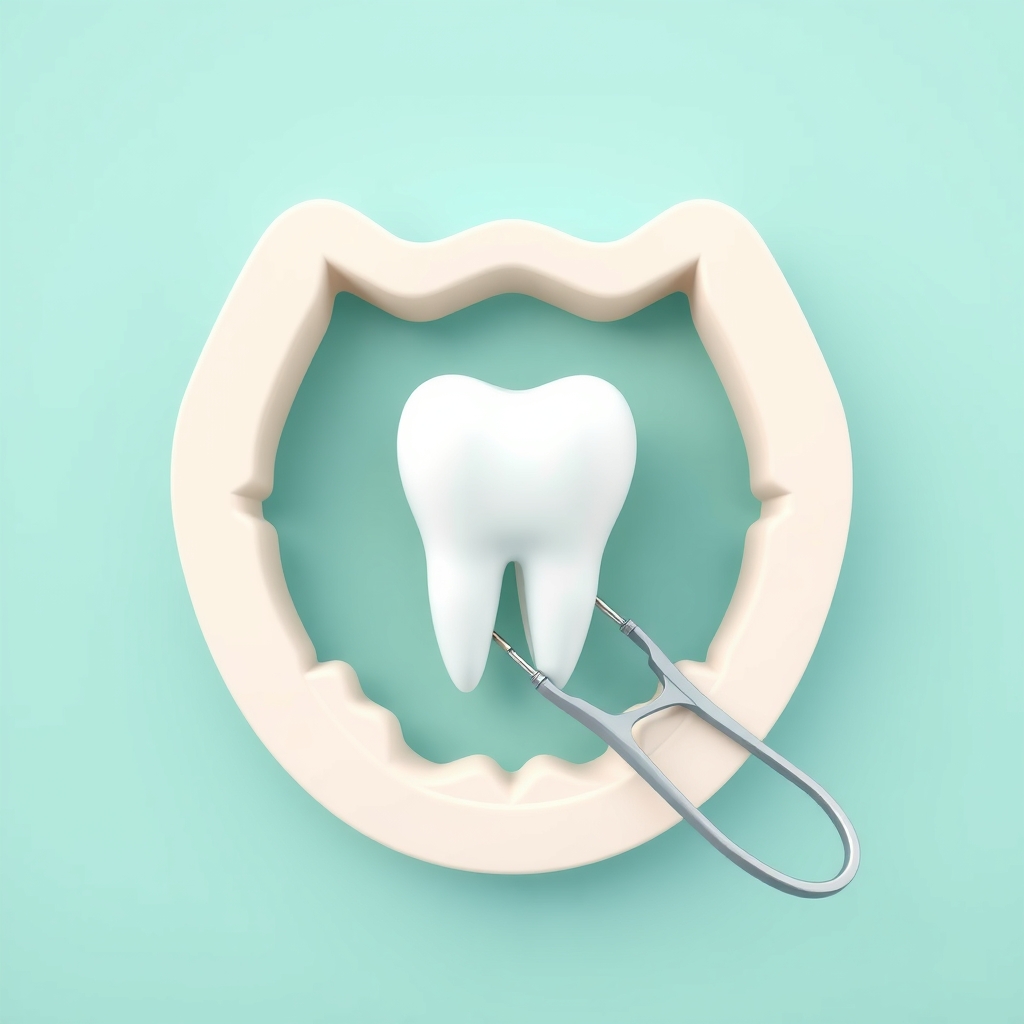
A canine tooth (the pointed tooth next to your front incisors) is impacted when it fails to erupt into its normal position in the mouth within the expected time. Instead, it stays stuck in the jawbone or gum tissue, sometimes tilted sideways, sometimes pointing in the wrong direction entirely. Upper canines are affected far more often than lower ones.
Canines are among the last front teeth to erupt, usually between the ages of 11 and 13. Because of this late timing, they are also the second most commonly impacted teeth after wisdom teeth.
Common signs parents and patients notice
- A baby canine tooth that has not fallen out on schedule
- A noticeable gap or missing adult tooth where the canine should be
- A bump or hard swelling in the gum or roof of the mouth
- Crowding or crooked neighbouring teeth
Why does an impacted canine happen?
There is rarely a single cause. Several factors can contribute, often together.
- Lack of space: A crowded jaw does not leave enough room for the canine to erupt properly.
- Early loss of baby teeth: This can cause neighbouring teeth to drift into the space meant for the canine.
- Abnormal tooth position or angle: The developing tooth bud may simply be angled away from its correct path.
- Extra or missing teeth: Supernumerary (extra) teeth or a missing lateral incisor can block the canine's path.
- Cysts or growths: Rarely, a cyst around the unerupted tooth blocks its eruption.
- Genetics: Impacted canines can run in families.
How is it diagnosed?
A dentist checks by feeling for the normal canine bulge in the gum from around age 10 onward. If the bulge is missing or asymmetrical compared to the other side, an X-ray (and sometimes a 3D CBCT scan) is taken to locate the exact position, angle, and depth of the tooth, and to check whether it is affecting nearby roots.
Treatment options available in Gurugram
Treatment depends on the child's age, how severely the tooth is tilted, and how much space is available. Our dentists at Neo Smile Dental Clinic assess all these factors before recommending a plan.
1. Monitoring and observation
In younger patients where the canine is only mildly misaligned and there is still growth potential, simple periodic monitoring with X-rays may be enough. Sometimes creating space with early orthodontic treatment allows the tooth to erupt naturally.
2. Surgical exposure
If the tooth is impacted but positioned reasonably well, a minor surgical procedure exposes the crown of the tooth by removing the gum tissue (and occasionally a small amount of bone) covering it. This gives the tooth a path to erupt on its own or with gentle guidance.
3. Exposure with orthodontic traction
For canines that are deeply impacted or tilted in an unfavourable direction, the dentist exposes the crown and bonds a small bracket or chain to it. This is connected to orthodontic wires or an existing brace, and gentle, controlled force gradually pulls the tooth into its correct position over several months. This is the most common fix for moderately to severely impacted canines in teenagers and adults.
4. Extraction
In rare cases where the tooth is severely malpositioned, ankylosed (fused to bone), or causing damage to neighbouring roots, extraction may be recommended, followed by orthodontic space closure or a prosthetic replacement.
| Treatment | Best suited for | Typical range in Gurugram |
|---|---|---|
| Monitoring with X-rays | Mild impaction, younger patients | Rs 500 to Rs 1,500 per visit |
| Surgical exposure | Favourable position, mild impaction | Rs 5,000 to Rs 12,000 |
| Exposure with orthodontic traction | Moderate to severe impaction | Rs 15,000 to Rs 40,000 plus orthodontic fees |
| Extraction | Severe or non-correctable impaction | Rs 3,000 to Rs 10,000 |
These are typical ranges only. Your dentist will confirm an estimate after assessing X-rays and the tooth's exact position.
Why early evaluation matters
The earlier an impacted canine is identified, often around age 10 to 11, the more treatment options remain simple and predictable. Waiting too long can make correction more difficult and lengthen orthodontic treatment time. If you notice a missing or stuck canine in yourself or your child, getting an X-ray based opinion sooner rather than later is the safest approach.
Have questions about your teeth?
Neo Smile Dental Clinic · 799 First Floor, Sector 9A, Opposite ESI Hospital, Gurugram
Frequently asked questions
At what age should an impacted canine be checked?
Dentists usually start checking canine position around age 8 to 10, since the upper canine normally erupts between 11 and 13. If a canine has not appeared by age 13 to 14, or feels absent on one side, it is worth an X-ray evaluation.
Can an impacted canine come in on its own?
Sometimes, especially in younger children where there is still room and the tooth is only mildly tilted. This is why early monitoring is useful. Once a child is in their mid to late teens, spontaneous eruption becomes less likely without help.
Is the exposure and bonding procedure painful?
It is done under local anaesthesia, so the procedure itself is not painful. Mild soreness or tenderness in the area for a few days afterward is normal and manageable with routine aftercare.
What happens if an impacted canine is left untreated?
It can sometimes damage the roots of nearby teeth, lead to cyst formation around the unerupted tooth, or cause shifting of neighbouring teeth over time. This is why a timely evaluation is recommended rather than waiting indefinitely.
Treatment costs mentioned on this page are indicative ranges for the Gurugram region. Your exact cost depends on your case and will be confirmed after a clinical examination at the clinic.