Understanding Overbite, Underbite, Crossbite and Open Bite
If your teeth do not meet evenly when you bite down, or you notice jaw clicking, uneven wear, or difficulty chewing, you may have a type of malocclusion, which simply means a misaligned bite. Many patients in Gurugram come to us unsure whether their issue is an overbite, underbite, crossbite, or open bite. This guide explains what each term means, why it happens, how we diagnose it, and the treatment paths available beyond traditional braces.
What is malocclusion?
Malocclusion refers to any misalignment between the upper and lower teeth or jaws when the mouth closes. A small degree of overlap between upper and lower front teeth is normal and healthy. Problems arise when the mismatch is large enough to affect chewing, speech, jaw comfort, or long-term tooth wear.
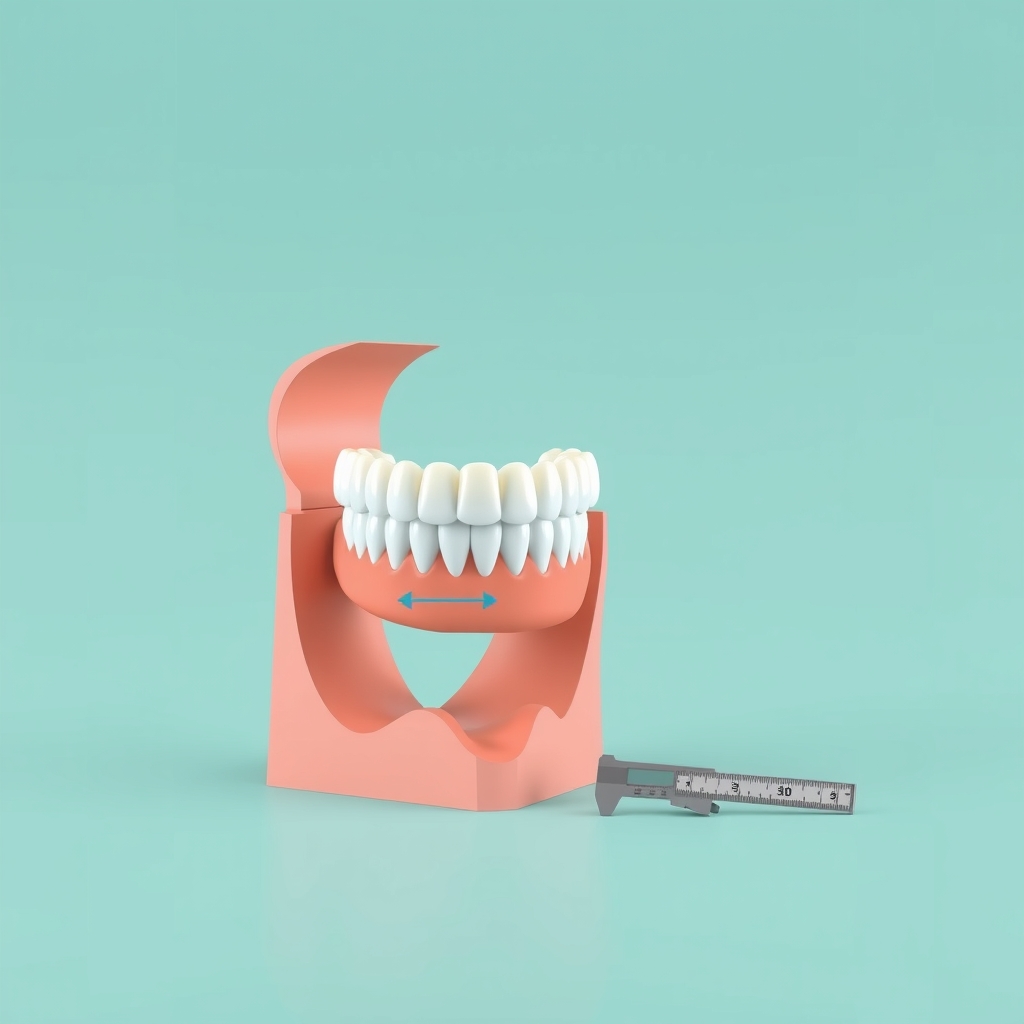
The main types of bite misalignment
Overbite
An overbite is when the upper front teeth extend noticeably over the lower front teeth. A mild vertical overlap is normal, but a deep overbite can cause the lower teeth to bite into the gum behind the upper teeth, leading to gum irritation and uneven wear.
Underbite
In an underbite, the lower teeth and jaw sit forward of the upper teeth. This is often linked to jaw bone growth differences rather than teeth alone, and it can affect chewing efficiency and facial profile.
Crossbite
A crossbite occurs when one or more upper teeth sit inside the lower teeth instead of outside, on either the front or back teeth. It can be one-sided or affect several teeth, and if left untreated in children, it may lead to asymmetric jaw growth.
Open bite
An open bite is when the upper and lower front teeth do not touch at all when the back teeth are closed together, leaving a visible gap. It commonly affects speech clarity and can make biting into food like a roti or apple difficult.
What causes these bite problems
- Genetics and inherited jaw or tooth size mismatches
- Prolonged thumb sucking or pacifier use in early childhood
- Tongue thrusting habits during swallowing
- Early loss of baby teeth or delayed loss of baby teeth
- Mouth breathing due to blocked airways or enlarged tonsils
- Jaw injury or abnormal jaw growth patterns
How dentists diagnose the type of malocclusion
Diagnosis starts with a clinical bite examination, where we check how your teeth meet from the front and sides. This is usually followed by:
- Dental X-rays or an OPG to view tooth position and jaw bone structure
- Photographs and dental impressions or digital scans to study the bite pattern
- A cephalometric X-ray in more complex cases to assess jaw relationship and growth direction
This helps us confirm whether the issue is purely dental (teeth position) or skeletal (jaw bone position), since treatment differs for each.
Treatment options beyond braces
Braces and clear aligners remain common and effective solutions, but they are not the only options. Depending on age, severity, and whether the cause is dental or skeletal, we may consider:
| Approach | Best suited for |
|---|---|
| Clear aligners | Mild to moderate dental misalignment in teens and adults |
| Palatal expanders | Narrow upper jaw causing crossbite in growing children |
| Habit-breaking appliances | Open bite linked to thumb sucking or tongue thrust |
| Myofunctional therapy | Tongue posture or swallowing pattern correction |
| Selective tooth reshaping or crowns | Minor bite adjustments in adults with worn or uneven teeth |
| Orthognathic (jaw) surgery | Severe skeletal underbite, overbite, or open bite in adults |
The typical range for orthodontic treatment in Gurugram varies widely depending on the appliance used, treatment duration, and complexity of the case. A simple evaluation visit is the best way to get a cost estimate specific to your bite type.
Why early evaluation matters
Children ideally should have an orthodontic check by age seven, as early intervention can guide jaw growth and sometimes reduce the need for more extensive treatment later. Adults are never too late to start, though treatment plans are adjusted for a fully grown jaw. If you have noticed uneven biting, jaw clicking, or speech changes, an evaluation can clarify exactly what type of malocclusion you have and which treatment path suits you best.
Have questions about your teeth?
Neo Smile Dental Clinic · 799 First Floor, Sector 9A, Opposite ESI Hospital, Gurugram
Frequently asked questions
Can adults get their bite corrected, or is it too late after childhood?
Adults can absolutely have malocclusion treated. Bone remodelling is slower than in children, so treatment may take a bit longer, but braces, aligners, and in select cases jaw surgery all work well for adults.
Does a misaligned bite always need treatment?
Not always. Mild misalignment that does not cause pain, wear, or speech issues may just need monitoring. Your dentist will assess whether treatment is necessary based on function and long-term risk, not appearance alone.
How can I tell which type of bite problem I have without a dental visit?
You can get a general idea by looking at how your teeth meet when you bite down, but overlapping issues are common. An accurate diagnosis needs a clinical exam and often an X-ray, so a dental visit is the reliable way to know.
Is jaw surgery always needed for underbite or crossbite?
No. Many cases are managed with braces, aligners, or expanders alone. Surgery is generally reserved for severe skeletal cases in adults where jaw bone size or position is significantly off, and this is decided after detailed evaluation.
Treatment costs mentioned on this page are indicative ranges for the Gurugram region. Your exact cost depends on your case and will be confirmed after a clinical examination at the clinic.