Why Are My Teeth Turning Yellow? Understanding Tooth Discoloration
Noticing that your teeth look yellower or duller than before is one of the most common reasons patients visit our clinic in Sector 9A, Gurugram. Before thinking about whitening treatments, it helps to understand why discoloration happens in the first place. Not all stains are the same, and knowing the cause can guide you towards the right prevention and treatment approach.
Two Main Types of Tooth Discoloration
Dentists generally divide tooth staining into two categories: extrinsic and intrinsic. Understanding the difference is the first step before considering any whitening option.
Extrinsic Stains (Surface Stains)
Extrinsic stains sit on the outer layer of the tooth, called enamel. These are usually caused by what we eat, drink, or are exposed to daily. Common causes include:
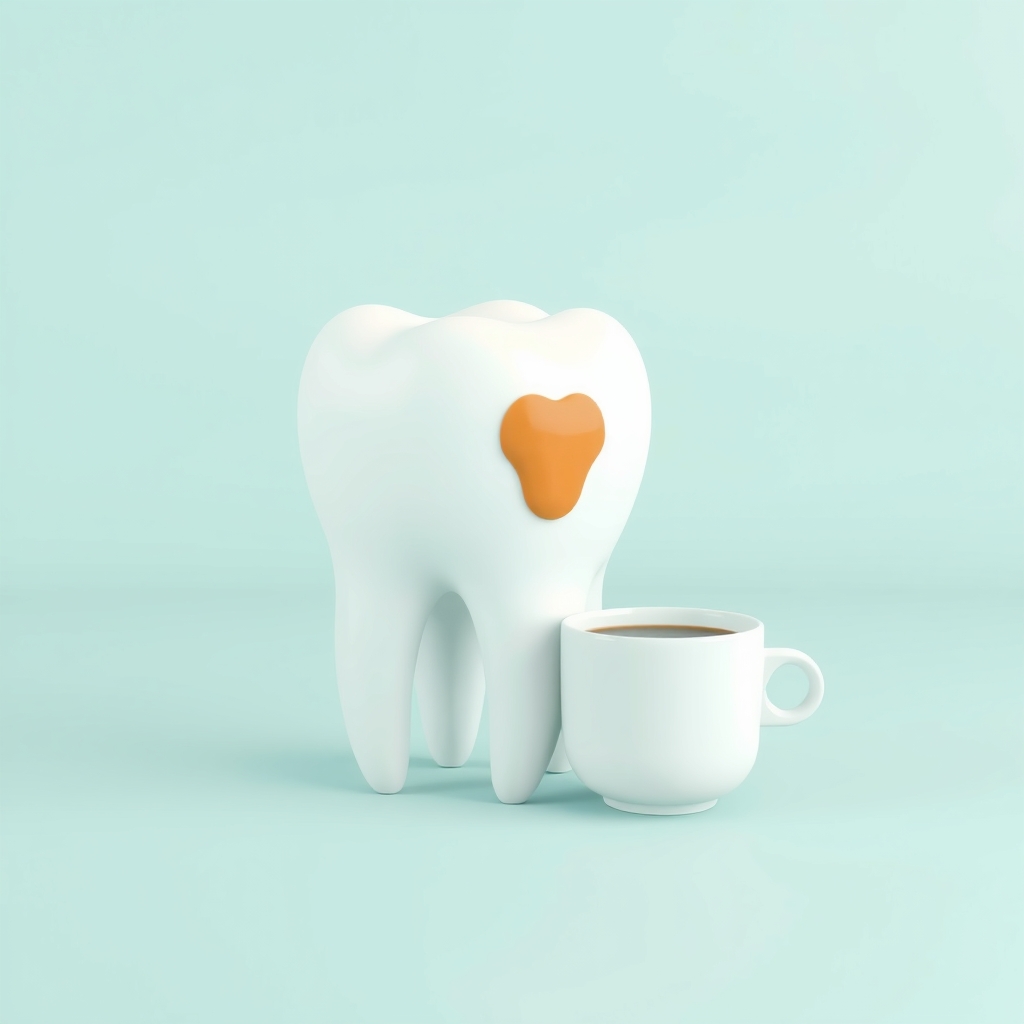
- Tea, coffee, and red wine
- Smoking or chewing tobacco and gutka
- Dark coloured sauces, curries, and sodas
- Poor brushing habits that allow plaque and food residue to build up
The good news is that extrinsic stains often respond well to professional dental cleaning and whitening, since they sit on the tooth surface rather than inside it.
Intrinsic Stains (Deeper Discoloration)
Intrinsic stains occur inside the tooth structure, affecting the dentin layer beneath the enamel. These are usually harder to remove with regular brushing or simple whitening and often need professional evaluation. Common causes include:
- Excess fluoride exposure during childhood (fluorosis)
- Certain antibiotics, like tetracycline, taken during childhood or by the mother during pregnancy
- Injury or trauma to a tooth that affects its internal tissue
- Ageing, as enamel naturally thins and the yellower dentin shows through
- Genetics, since some people naturally have thicker or more yellow-toned enamel
Other Common Reasons Teeth Look Yellow or Stained
Besides the two main categories, a few everyday factors can make teeth appear discoloured:
- Dry mouth: Reduced saliva flow allows plaque and stains to build up more easily
- Thin enamel from acidic foods: Frequent consumption of citrus fruits, carbonated drinks, or vinegar-based foods can wear enamel thin, exposing yellower dentin underneath
- Old dental fillings: Some older metal fillings can cause a greyish tinge to nearby tooth structure
- Medications: Certain long-term medicines can contribute to discoloration over time
Prevention Tips for Healthier, Brighter Teeth
While not all discoloration can be fully prevented, especially intrinsic and age-related changes, many everyday habits can slow down staining and protect your natural tooth colour.
- Brush twice daily with a fluoride toothpaste, focusing on gentle, thorough technique rather than hard scrubbing
- Rinse your mouth with water after drinking tea, coffee, or coloured beverages
- Use a straw for staining drinks when possible, so liquid has less contact with front teeth
- Avoid or reduce tobacco and gutka use, which cause stubborn surface and gum discoloration
- Limit frequent snacking on acidic foods and drinks that wear down enamel
- Stay hydrated to support healthy saliva flow, which naturally helps clean teeth
- Visit your dentist for a professional cleaning every six months to remove surface plaque and tartar before it hardens into stubborn stains
When Should You See a Dentist About Discoloration?
Occasional yellowing from diet or ageing is usually not a medical concern, but certain signs are worth getting checked:
- A single tooth turning noticeably darker than the others
- White or brown spots appearing suddenly on teeth
- Discoloration along with pain, sensitivity, or swelling
- Staining in children's teeth that seems unusual
At Neo Smile Dental Clinic in Gurugram, we start by identifying whether your discoloration is extrinsic, intrinsic, or a mix of both. This helps us recommend a realistic, suitable approach, whether that is a professional cleaning, whitening, or another treatment, rather than assuming one solution fits every type of stain.
| Type of Stain | Common Cause | Typical Approach |
|---|---|---|
| Extrinsic | Tea, coffee, tobacco, poor hygiene | Cleaning and surface whitening |
| Intrinsic | Fluorosis, medication, trauma, ageing | Dentist evaluation, may need specific treatment |
Have questions about your teeth?
Neo Smile Dental Clinic · 799 First Floor, Sector 9A, Opposite ESI Hospital, Gurugram
Frequently asked questions
Can yellow teeth become white again without whitening treatment?
Mild surface staining from food, drinks, or tobacco can often improve with better brushing, regular cleanings, and avoiding staining habits. However, teeth that are naturally yellowish or discoloured from within usually need professional whitening or other dental treatment to look significantly lighter.
Is yellow teeth a sign of poor oral hygiene?
Not always. Yellowing can be natural ageing, genetics, or diet related even with good brushing habits. However, a dull, dirty-looking film on teeth along with bad breath often does point to plaque buildup that needs a dental cleaning.
Why do my teeth look more yellow after a root canal treated tooth?
A single dark or greyish tooth after root canal treatment usually happens due to internal changes in the tooth, not surface staining. This needs specific treatment like internal bleaching, so it is best to get it checked by a dentist.
Can children get stained or discoloured teeth too?
Yes. Certain childhood illnesses, some medicines, excess fluoride exposure, or injury to a baby tooth can cause discoloration in children. If you notice unusual staining in your child's teeth, a dental check-up is recommended.
Treatment costs mentioned on this page are indicative ranges for the Gurugram region. Your exact cost depends on your case and will be confirmed after a clinical examination at the clinic.