Does Activated Charcoal Toothpaste Really Whiten Teeth?
Activated charcoal toothpaste and powders have become a familiar sight on social media, often shown transforming dull teeth into a bright white smile in seconds. Many patients in Gurugram ask us whether these products actually work or if they could harm their teeth. Here is an honest, fact-based look at what charcoal can and cannot do for your smile.
What Is Activated Charcoal and How Is It Supposed to Work?
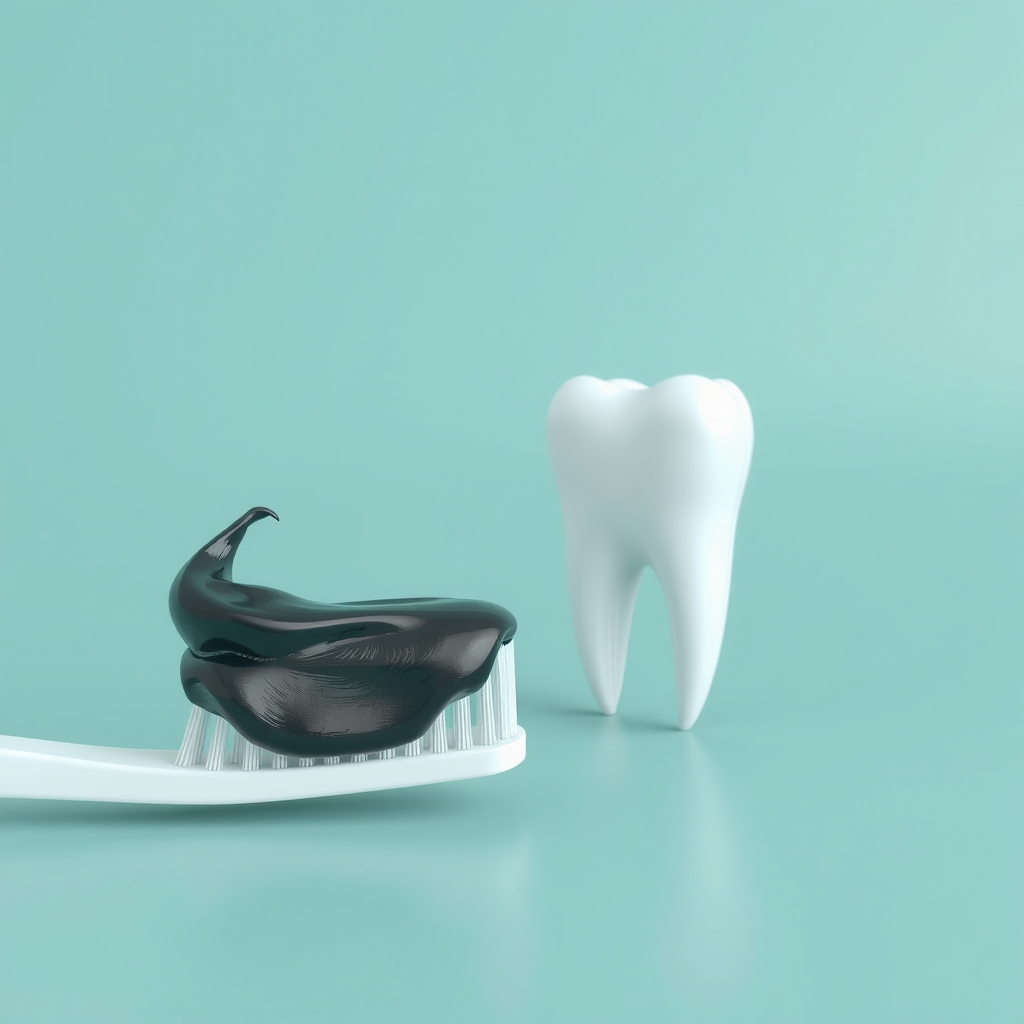
Activated charcoal is a fine black powder made by heating carbon-rich materials like coconut shells or wood at very high temperatures. This process creates a porous surface that can bind to certain substances, a property called adsorption. The theory behind charcoal toothpaste is that it adsorbs surface stains and plaque, lifting them off the enamel.
Why It Looks Dramatic in Videos
In most online demonstrations, teeth appear to turn white instantly because the black powder contrasts sharply with the enamel before it is rinsed away. This is a visual effect, not proof of actual whitening, since the comparison is made before and immediately after brushing, not over a period of weeks.
What Dental Research Actually Shows
Scientific evidence on charcoal toothpaste remains limited. Most available studies have found no reliable proof that charcoal whitens teeth better than regular toothpaste, and some charcoal formulations lack fluoride, which is essential for cavity prevention. Dental associations have generally advised caution until more long-term safety data is available.
The Abrasiveness Concern
Charcoal particles are often coarse and can be more abrasive than standard toothpaste. Repeated use may gradually wear down the enamel surface. Since enamel does not regenerate, this can make teeth look more yellow over time, as the underlying dentin layer becomes more visible, which is the opposite of the intended effect.
| Product Type | Whitening Evidence | Fluoride Content | Abrasion Risk |
|---|---|---|---|
| Charcoal toothpaste/powder | Limited, mostly surface polish | Often none | Moderate to high |
| Standard fluoride toothpaste | Maintains natural shade | Yes | Low |
| Dentist-supervised whitening | Well documented | Varies by product | Low when monitored |
Possible Risks to Keep in Mind
- Enamel wear from repeated abrasive brushing
- Increased tooth sensitivity to hot or cold food
- Charcoal particles collecting along the gum line, which can irritate gums
- Dulling of fillings, crowns, or veneers if used frequently
- Missing out on fluoride protection against cavities
Are There Any Benefits at All?
Charcoal powder may provide a mild polishing effect that removes some surface stains from tea, coffee, or tobacco, similar to how a gentle scrub works on skin. This is a temporary cosmetic effect rather than true whitening, since it does not change the natural color of the tooth itself.
Safer Ways to Brighten Your Smile
If stained teeth are a concern, there are more predictable and enamel-friendly options available through a dental clinic:
- Professional scaling and polishing to remove surface stains
- Dentist-dispensed take-home whitening trays with controlled gel strength
- In-chair whitening for faster, supervised results
- Daily use of fluoride toothpaste to protect enamel long term
Our Recommendation for Gurugram Patients
If you are curious about charcoal products, it is worth discussing your specific dental history first, especially if you have crowns, veneers, sensitive teeth, or thin enamel. A quick dental check at Neo Smile Dental Clinic can confirm whether your teeth are suitable for at-home whitening trends or whether a professional approach would serve you better and more safely.
Whitening your smile should never come at the cost of your enamel health. Understanding the facts behind social media trends helps you make a choice that keeps your teeth both bright and healthy for the long run.
Have questions about your teeth?
Neo Smile Dental Clinic · 799 First Floor, Sector 9A, Opposite ESI Hospital, Gurugram
Frequently asked questions
Can charcoal toothpaste remove deep stains like tetracycline discoloration?
No. Charcoal only works on surface stains through mild abrasion. Deeper, internal stains need professional whitening or veneers, which your dentist can assess.
Is it safe to use charcoal powder on crowns or veneers?
It is best avoided. Abrasive powders can dull the polished surface of crowns, veneers, and bonding, making them look rough or uneven over time.
How often can I safely use charcoal toothpaste if I still want to try it?
If your dentist approves it for your teeth, limit use to two or three times a week, and continue using a fluoride toothpaste daily for cavity protection.
What is a safer alternative for whitening at home?
Dentist-dispensed take-home whitening kits with custom trays are gentler on enamel and give more predictable, even results than charcoal products.
Treatment costs mentioned on this page are indicative ranges for the Gurugram region. Your exact cost depends on your case and will be confirmed after a clinical examination at the clinic.