Infant Teething Guide: Symptoms, Timeline, and Safe Home Remedies
Watching your baby go through teething can be an emotional time for parents in Gurugram. The discomfort your little one feels is real, but understanding the signs and timeline can help you respond with confidence. This guide covers what to expect and which home remedies are safe to try.
Common Signs of Teething
Teething symptoms can appear days or even weeks before a tooth actually breaks through the gum. Look out for the following:
- Increased drooling
- Swollen, tender, or reddened gums
- Chewing or gnawing on fingers, toys, or other objects
- Irritability or fussiness, especially in the evening
- Mild disruption in sleep patterns
- Slight decrease in appetite for solid foods
- Rubbing of the cheek or ear on the same side as the emerging tooth
These signs are usually mild. If your baby seems very unwell, it is worth checking with a pediatrician, since teething alone should not cause serious illness.
The Typical Teething Timeline
Every baby develops at their own pace, but there is a general pattern most infants follow. Here is a helpful reference chart.
| Age Range | Teeth That Usually Appear |
|---|---|
| 6 to 10 months | Lower and upper central incisors (front teeth) |
| 9 to 13 months | Upper and lower lateral incisors |
| 13 to 19 months | First molars |
| 16 to 22 months | Canines (pointed teeth) |
| 23 to 33 months | Second molars |
By around age 3, most children have their full set of 20 primary teeth. Delays of a few months in this timeline are common and usually not a cause for worry.
Safe Home Remedies for Teething Discomfort
There are several gentle, low-risk ways to help ease your baby's teething discomfort at home.
Gum Massage
Wash your hands well and gently rub your baby's gums with a clean finger. The light pressure can offer temporary relief.
Chilled Teething Rings
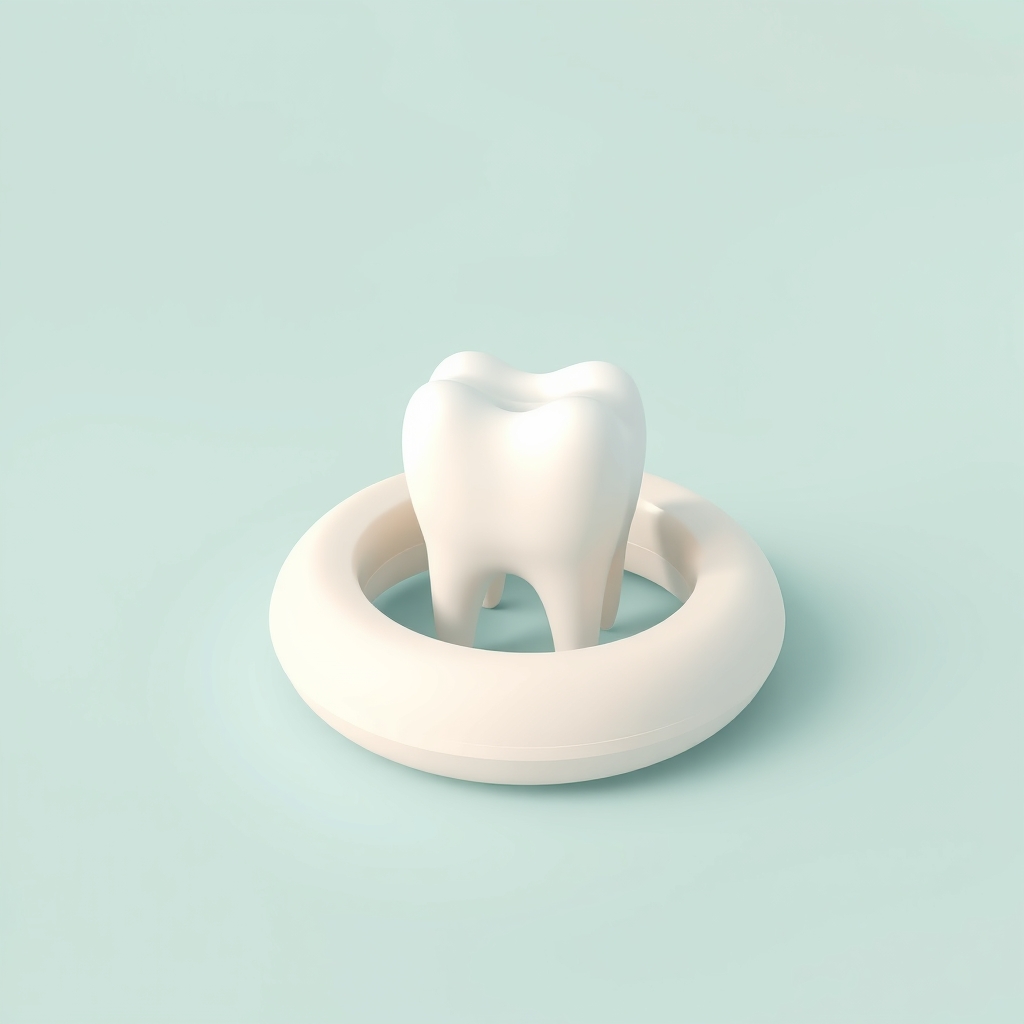
A clean, solid teething ring cooled in the refrigerator (not frozen) can soothe sore gums. Avoid liquid-filled rings that may leak or freezer-hard rings that are too firm for delicate gums.
Cold, Damp Washcloth
Let your baby chew on a clean, damp washcloth that has been chilled in the fridge for a short while. This is a simple and safe option that many parents in Gurugram find effective.
Extra Cuddles and Distraction
Comfort and attention go a long way during fussy teething days. Gentle rocking, singing, or a change of scenery can help distract your baby from the discomfort.
Pain Relief Medication
If your baby seems very uncomfortable, ask your pediatrician about an appropriate dose of infant paracetamol. Never give medication without professional guidance.
What to Avoid
- Teething gels containing benzocaine or lidocaine for infants
- Amber teething necklaces, which pose a choking and strangulation risk
- Hard foods or frozen items that could hurt the gums or become a choking hazard
- Aspirin or adult pain relief medication
Caring for New Teeth
Once the first tooth appears, start gently cleaning it twice a day with a soft infant toothbrush or a clean, damp cloth. Avoid putting your baby to bed with a bottle of milk or juice, as this can contribute to early tooth decay. A small smear of fluoride toothpaste can be introduced once your dentist recommends it based on your baby's age.
When to See a Dentist
Most teething is manageable at home, but you should consult a dentist if you notice unusual delays in tooth eruption, discoloured teeth, signs of infection such as pus or persistent swelling, or if your baby seems to be in significant pain that home remedies do not relieve. Parents in Gurugram can visit Neo Smile Dental Clinic at Sector 9A, opposite ESI Hospital, for a gentle check-up and guidance suited to your baby's needs.
Have questions about your teeth?
Neo Smile Dental Clinic · 799 First Floor, Sector 9A, Opposite ESI Hospital, Gurugram
Frequently asked questions
At what age do babies usually start teething?
Most babies get their first tooth between 6 and 10 months, though some start as early as 3 months or as late as 12 months. Every baby follows their own timeline.
Can teething cause fever or diarrhoea?
Teething may cause a mild rise in temperature and slightly looser stools due to increased drooling and swallowing. A high fever above 38.3°C or persistent diarrhoea is usually caused by something else and needs a doctor's check.
Are teething gels safe for babies?
Many teething gels contain benzocaine or lidocaine, which are not recommended for infants due to safety concerns. It is best to check with your pediatrician or dentist before using any topical product.
When should I bring my baby for their first dental visit in Gurugram?
It is advisable to schedule a first dental visit within six months of the first tooth appearing, or by the first birthday, whichever comes first.
Treatment costs mentioned on this page are indicative ranges for the Gurugram region. Your exact cost depends on your case and will be confirmed after a clinical examination at the clinic.