Do Cavities in Baby Teeth Really Need Treatment?
Many parents in Gurugram wonder if a cavity in their child's baby tooth is really worth treating. After all, the tooth is going to fall out eventually. It is a fair question, but the answer matters more than most people think. Baby teeth are not just placeholders. They play an active role in your child's health, speech, chewing, and the proper arrival of adult teeth.
Why Baby Teeth Matter More Than You Think
Baby, or milk, teeth usually stay in the mouth for many years. The first ones erupt around 6 months and the last ones may not fall out until age 10 to 12. During this entire time, they help your child chew food properly, speak clearly, and hold space in the jaw for the permanent teeth growing underneath.
If a baby tooth is lost too early because of decay, nearby teeth can drift into the empty space. This can cause the permanent tooth to come in crooked or crowded later on.
What Happens If a Baby Tooth Cavity Is Ignored
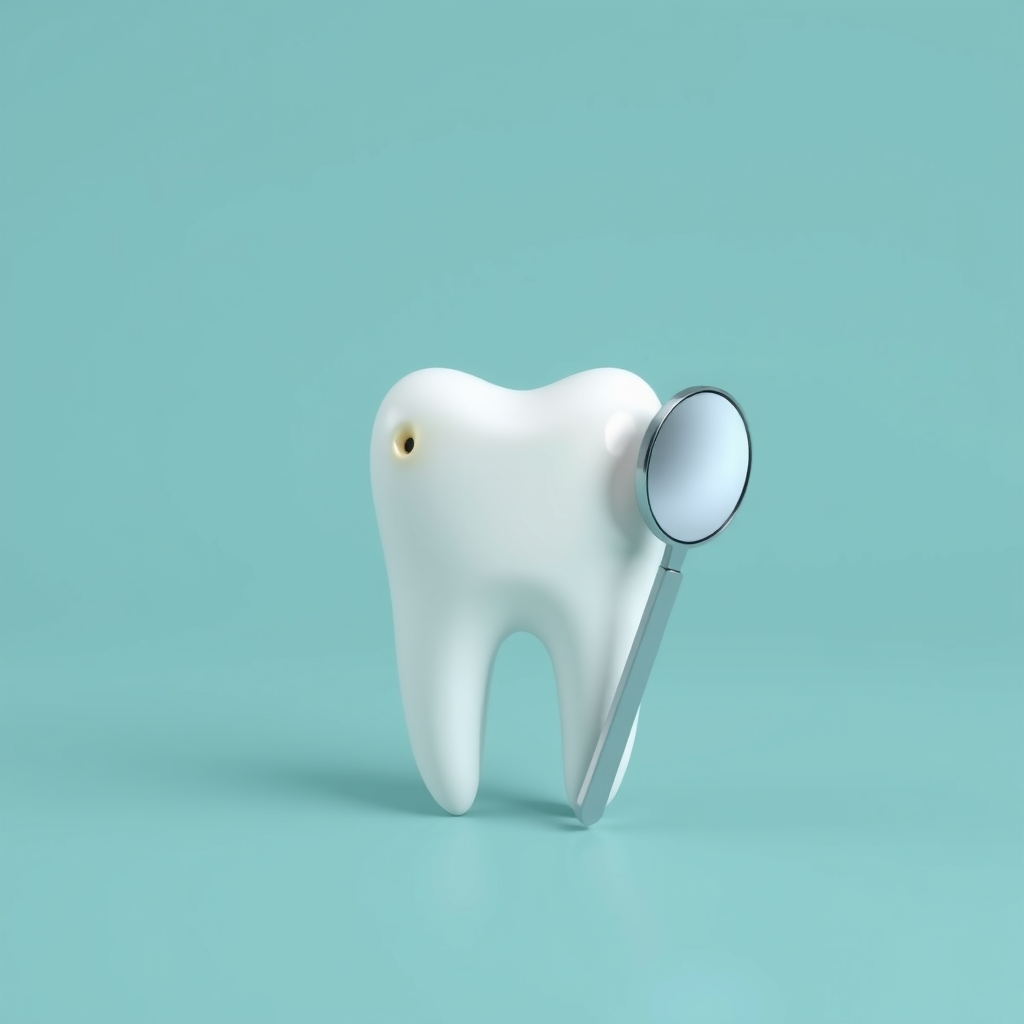
Cavities in milk teeth can progress faster than in adult teeth because the enamel and dentin layers are thinner. Left untreated, a small cavity can lead to several problems.
- Pain and difficulty eating: Decay reaching the inner nerve of the tooth can cause sharp pain, making your child avoid chewing on one side or refuse certain foods.
- Infection or abscess: Untreated decay can allow bacteria to reach the tooth's pulp, leading to swelling, fever, or a dental abscess that needs urgent care.
- Damage to the permanent tooth below: The infection from a decayed baby tooth sits very close to the developing adult tooth and can affect its enamel formation or eruption.
- Early tooth loss and spacing problems: Losing a baby tooth too soon can shift the bite and crowd out space needed for the adult tooth.
- Speech and eating habits: Front teeth in particular help with certain sounds and biting into food, so early loss can affect both.
Signs Parents Should Watch For
Cavities are not always obvious. Look out for these signs in your child.
- Brown, black, or white spots on the teeth
- Complaints of pain while eating or drinking something cold or sweet
- Bad breath that does not go away with brushing
- Visible holes or pits in the teeth
- Reluctance to chew on one side of the mouth
Regular dental check-ups every six months help catch cavities early, often before your child feels any pain at all.
Treatment Options for Cavities in Baby Teeth
The right treatment depends on how deep the cavity is and how much of the tooth structure remains healthy.
Fluoride Treatment or Silver Diamine Fluoride
For very early decay that has not yet formed a deep hole, fluoride application can sometimes help slow or stop progression, especially in young or anxious children.
Tooth-Coloured Fillings
This is the most common treatment for a cavity that has already formed a hole. The decayed part is cleaned out and the space is filled with a tooth-coloured material, restoring the tooth's shape and function.
Pulp Treatment (Pulpotomy or Pulpectomy)
If decay has reached the nerve of the tooth but the tooth can still be saved, a pediatric pulp treatment similar to a root canal may be done, followed by a crown to protect the tooth until it naturally falls out.
Stainless Steel or Pediatric Crowns
For teeth with large cavities or after pulp treatment, a crown may be placed to protect the remaining tooth structure and help it last until the permanent tooth is ready to come in.
Extraction
If a tooth is too damaged to save or infection has spread, extraction may be necessary. In these cases, your dentist may discuss a space maintainer to prevent the neighbouring teeth from shifting into the gap.
| Cavity Stage | Typical Treatment |
|---|---|
| Early white spot, no hole yet | Fluoride application, diet and brushing changes |
| Small to moderate cavity | Tooth-coloured filling |
| Deep cavity reaching the nerve | Pulp treatment with crown |
| Severely damaged or infected tooth | Extraction with possible space maintainer |
Helping Your Child Feel Comfortable
Pediatric dental visits are designed to be gentle and reassuring. Explaining the visit in simple, positive words and choosing a clinic experienced with children can make a real difference in how your child feels about future dental care.
If you have noticed a spot, discoloration, or complaint of pain in your child's tooth, it is worth getting it checked early. Parents in Gurugram can visit Neo Smile Dental Clinic at 799 First Floor, Sector 9A, Opposite ESI Hospital, or call +91 79482 21586 to book a check-up for their child.
Have questions about your teeth?
Neo Smile Dental Clinic · 799 First Floor, Sector 9A, Opposite ESI Hospital, Gurugram
Frequently asked questions
If the baby tooth is going to fall out anyway, why fix a cavity?
Baby teeth often stay in the mouth for many years, some until age 10 or 12. A cavity left untreated can grow, cause pain or infection, and affect the permanent tooth developing underneath before the baby tooth is naturally lost.
Can a baby tooth cavity heal on its own without a filling?
Very early, white-spot stage decay can sometimes be managed with fluoride and better brushing, but once a cavity has actually formed a hole in the enamel, it will not heal on its own and needs professional treatment.
What happens if my child's cavity is left untreated for too long?
It can progress to the nerve, causing pain, swelling, or an abscess. This may lead to emergency treatment, tooth extraction, and possible effects on the adult tooth waiting below.
Is it safe to give a young child a filling or extraction?
Yes. Pediatric dental treatments are routine and are adapted to a child's age and comfort level. Your dentist will explain the safest and gentlest option for your child's specific case.
Treatment costs mentioned on this page are indicative ranges for the Gurugram region. Your exact cost depends on your case and will be confirmed after a clinical examination at the clinic.