Why Toothaches Often Feel Worse at Night
If you have ever been jolted awake by a throbbing tooth at 2 a.m., you are not imagining things. Many patients at our Gurugram clinic tell us the same story: the tooth was barely bothering them during the day, but at night it became unbearable. There are real physical reasons behind this, and understanding them can help you manage the pain until you get proper dental care.
Why Tooth Pain Gets Worse After Dark
Several factors combine at night to make a mild ache feel much more intense.
Blood Flow and Pressure Changes
When you lie down, more blood flows toward your head and face compared to when you are upright. If a tooth has inflammation or infection inside it, this extra blood flow increases pressure within the tooth and surrounding tissue. That pressure pushes against sensitive nerve endings, which can turn a dull ache into a sharp, pulsing pain.
Lying Flat Puts Pressure on the Jaw
Your sleeping position matters too. Lying flat can shift the position of your jaw and increase pressure around an already irritated tooth or gum area. Some people also clench or grind their teeth during sleep, which adds mechanical pressure on top of existing inflammation.
Fewer Distractions at Night
During the day, work, conversations, and daily tasks keep your mind occupied, so low-level pain often goes unnoticed. At night, in a quiet room with nothing to distract you, your brain has nothing else to focus on, making the same level of pain feel much stronger.
Hormonal and Natural Body Rhythms
Your body's natural inflammatory response can also shift slightly at night due to changes in cortisol levels, a hormone that normally helps control inflammation during the day. With lower cortisol levels at night, inflammation and pain signals may feel more pronounced.
Home Relief Tips Before You Can See a Dentist
These steps will not fix the underlying problem, but they can help you get through the night more comfortably.
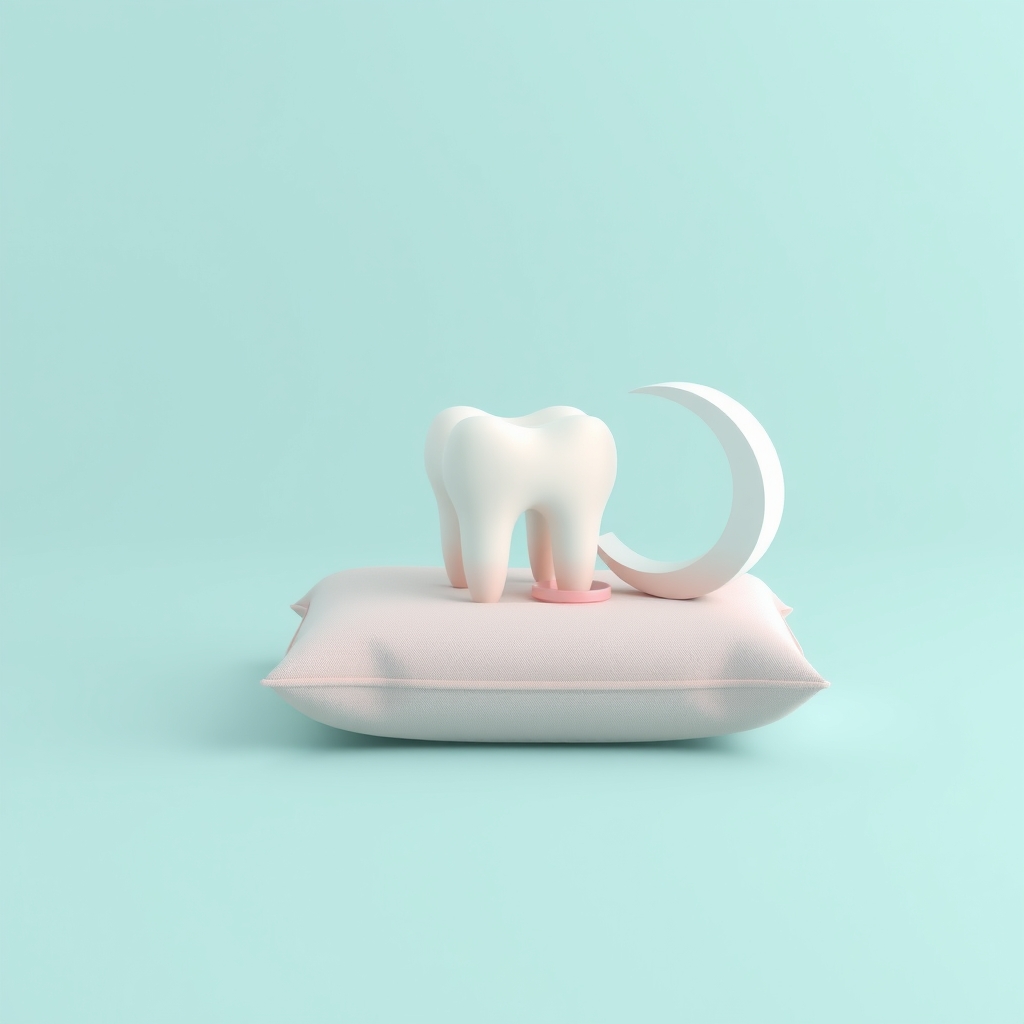
- Prop your head up with an extra pillow to reduce blood flow pressure to the area.
- Rinse gently with warm salt water to reduce irritation and clean the area.
- Take an over-the-counter pain reliever as per the package instructions, unless you have a medical reason not to.
- Avoid very hot, cold, or sugary foods and drinks before bed.
- Avoid chewing on the painful side.
- Use a cold compress on the outside of your cheek if there is swelling.
These measures are meant as temporary comfort, not a substitute for proper dental treatment. The underlying cause, whether it is decay, infection, or gum disease, still needs to be addressed by a dentist.
Warning Signs That Need Urgent Dental Care
Most nighttime toothaches can wait until regular clinic hours if managed carefully. However, some symptoms suggest a more serious issue that should not be ignored.
- Facial or jaw swelling, especially if it is spreading
- Fever along with tooth pain
- Difficulty swallowing or breathing
- Severe pain that does not respond to pain relievers
- Pus or a bad taste draining from the gum near the tooth
- Pain following a recent injury or dental procedure
If you notice any of these, please seek urgent dental or medical attention rather than waiting it out at home.
What Causes the Underlying Pain
Nighttime tooth pain is usually a sign of an existing dental issue rather than a new condition caused by nighttime itself. Common underlying causes include:
| Possible Cause | Typical Signs |
|---|---|
| Deep cavity or decay | Sharp pain with sweets, hot or cold foods |
| Dental abscess or infection | Throbbing pain, swelling, possible fever |
| Cracked or fractured tooth | Pain when biting down or releasing pressure |
| Gum disease | Bleeding gums, bad breath, tenderness |
| Teeth grinding (bruxism) | Jaw soreness, worn teeth, morning headaches |
Because these causes vary, home remedies can ease discomfort but cannot resolve the issue permanently. A dental examination, and sometimes an X-ray, is needed to find the exact cause and recommend the right treatment.
When to Visit Neo Smile Dental Clinic
If your tooth pain keeps returning at night, worsens over a few days, or comes with swelling or fever, it is best to get it checked promptly. At Neo Smile Dental Clinic in Sector 9A, Gurugram, opposite ESI Hospital, our team examines the tooth, identifies the underlying cause, and suggests appropriate treatment options so you are not left guessing what is wrong or repeatedly losing sleep to pain.
Have questions about your teeth?
Neo Smile Dental Clinic · 799 First Floor, Sector 9A, Opposite ESI Hospital, Gurugram
Frequently asked questions
Why does my tooth only hurt when I lie down?
Lying down shifts blood toward your head and face, which raises pressure inside an already inflamed or infected tooth. This added pressure on sensitive nerve tissue often makes the pain feel sharper at night.
Can I just wait until morning if my tooth hurts badly at night?
If the pain is mild and manageable with home care, waiting a few hours is usually fine. But if you have facial swelling, fever, or pain that keeps you from sleeping or swallowing, you should seek urgent dental or medical care rather than waiting.
Does sleeping position really affect tooth pain?
Yes. Sleeping flat can increase blood flow and pressure in the head and jaw area, and if you grind your teeth at night, that added pressure can also worsen existing tooth or gum pain.
What home remedies actually help with nighttime tooth pain?
Propping your head up with an extra pillow, rinsing with warm salt water, and taking an over-the-counter pain reliever as directed can help manage discomfort until you can see a dentist.
Treatment costs mentioned on this page are indicative ranges for the Gurugram region. Your exact cost depends on your case and will be confirmed after a clinical examination at the clinic.