Teeth Grinding (Bruxism) in Adults: Causes, Warning Signs, and Treatment Options
If you wake up with a sore jaw, a dull headache, or you have noticed your teeth look shorter or flatter than before, you may be dealing with bruxism, the medical term for teeth grinding or clenching. It is common in adults across Gurugram, often linked to busy work schedules and stress, and it can affect your teeth, jaw, and sleep quality if it goes unnoticed for too long.
What Causes Teeth Grinding in Adults
Bruxism usually happens during sleep, though some people also clench during the day without realising it. There is rarely a single cause. Instead, it is often a combination of factors.
- Stress and anxiety: This is one of the most common triggers, especially during demanding work periods or major life changes.
- Bite misalignment: Teeth that do not meet evenly can encourage grinding as the jaw tries to find a comfortable resting position.
- Sleep disorders: Conditions such as sleep apnea are frequently linked with night-time grinding.
- Lifestyle factors: High caffeine or alcohol intake, smoking, and certain medications can increase the likelihood of grinding.
- Missing or worn teeth: Gaps or uneven tooth surfaces can change how your jaw closes, adding pressure on remaining teeth.
Warning Signs You Should Not Ignore
Many adults do not realise they grind their teeth until a dentist points out the wear, or a partner mentions hearing it at night. Watch out for these signs.
- Jaw pain or soreness, especially in the morning
- Frequent headaches near the temples
- Teeth that look flattened, chipped, or shorter over time
- Increased tooth sensitivity to hot, cold, or sweet foods
- Clicking or discomfort in the jaw joint when chewing or talking
- Cheek or tongue indentations from clenching
If you notice two or more of these regularly, it is a good idea to get your teeth and jaw examined rather than waiting for the discomfort to pass.
How Bruxism Is Diagnosed
A dentist can usually spot signs of grinding during a routine check-up by looking at wear patterns on your teeth, checking your jaw muscles, and asking about your sleep and stress levels. In some cases, especially where sleep apnea is suspected, a referral for a sleep study may be recommended alongside dental care.
Treatment Options for Teeth Grinding
Treatment depends on the cause and how much damage has already occurred. The goal is to protect your teeth, ease jaw strain, and address the root cause where possible.
Custom Night Guards
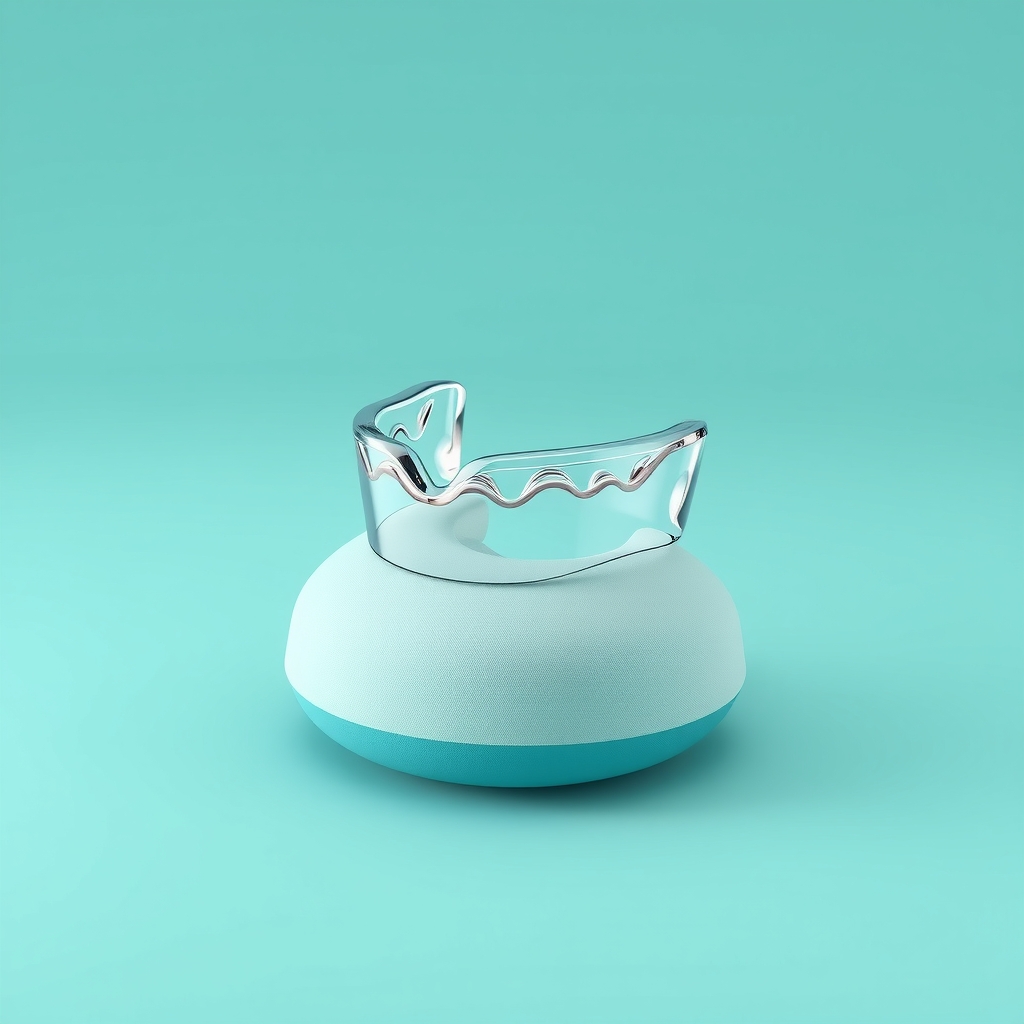
A custom night guard is one of the most common and effective solutions. Unlike over-the-counter versions, it is moulded to fit your teeth precisely, which makes it more comfortable to wear and better at absorbing grinding forces. It will not stop grinding entirely, but it protects your teeth and reduces strain on the jaw while you sleep.
Bite Correction
If uneven teeth or a misaligned bite is contributing to the grinding, your dentist may recommend adjusting the bite or, in some cases, orthodontic treatment to bring teeth into better alignment.
Stress Management
Since stress is such a common trigger, simple habits like regular exercise, better sleep routines, or relaxation techniques can meaningfully reduce grinding episodes over time.
Repairing Existing Damage
Teeth that are already worn, chipped, or sensitive may need restorative treatment such as fillings, crowns, or bonding to rebuild the tooth surface and reduce sensitivity.
| Treatment | What It Helps With |
|---|---|
| Custom night guard | Protects teeth, reduces jaw strain during sleep |
| Bite adjustment | Corrects uneven contact between teeth |
| Stress management | Reduces frequency of clenching episodes |
| Restorative work (crowns, bonding) | Repairs worn or damaged teeth |
When to See a Dentist
If jaw pain, headaches, or visible tooth wear are becoming a regular part of your week, it is worth having your teeth and bite checked rather than waiting. Early treatment, such as a custom night guard, is usually simpler and more affordable than repairing badly worn or cracked teeth later.
At Neo Smile Dental Clinic in Sector 9A, Gurugram, opposite ESI Hospital, our team assesses the likely cause of your grinding and suggests a practical treatment plan suited to your daily routine and budget.
Have questions about your teeth?
Neo Smile Dental Clinic · 799 First Floor, Sector 9A, Opposite ESI Hospital, Gurugram
Frequently asked questions
Is teeth grinding serious?
It is not usually dangerous on its own, but over time it can wear down teeth, damage fillings or crowns, and strain your jaw joint. Left untreated, it can lead to cracked teeth and chronic jaw pain, so it is worth getting checked.
Can teeth grinding go away on its own?
Sometimes grinding linked to a stressful phase eases once the stress passes. However, many adults grind due to bite alignment or sleep patterns that do not resolve without a night guard or other treatment.
How much does a custom night guard cost in Gurugram?
The typical range for a custom-fitted night guard in Gurugram is around Rs 3,000 to Rs 8,000, depending on the material and lab used. Your dentist can confirm an estimate after examining your bite.
Can children get bruxism too?
Yes, but this article focuses on adult teeth grinding. If your child grinds their teeth, it is best to have a dentist evaluate them separately, as causes and treatment can differ.
Treatment costs mentioned on this page are indicative ranges for the Gurugram region. Your exact cost depends on your case and will be confirmed after a clinical examination at the clinic.