Dental Space Maintainers After Early Baby Tooth Loss: A Parent's Guide
Baby teeth are not meant to last forever, but they do an important job while they are there. Besides helping children chew and speak, they hold open the exact space that a permanent tooth will later use. When a baby tooth is lost too soon, whether from decay, injury, or infection, that space can start to close up before the adult tooth is ready to arrive. This is where a dental space maintainer comes in.
What Is a Dental Space Maintainer?
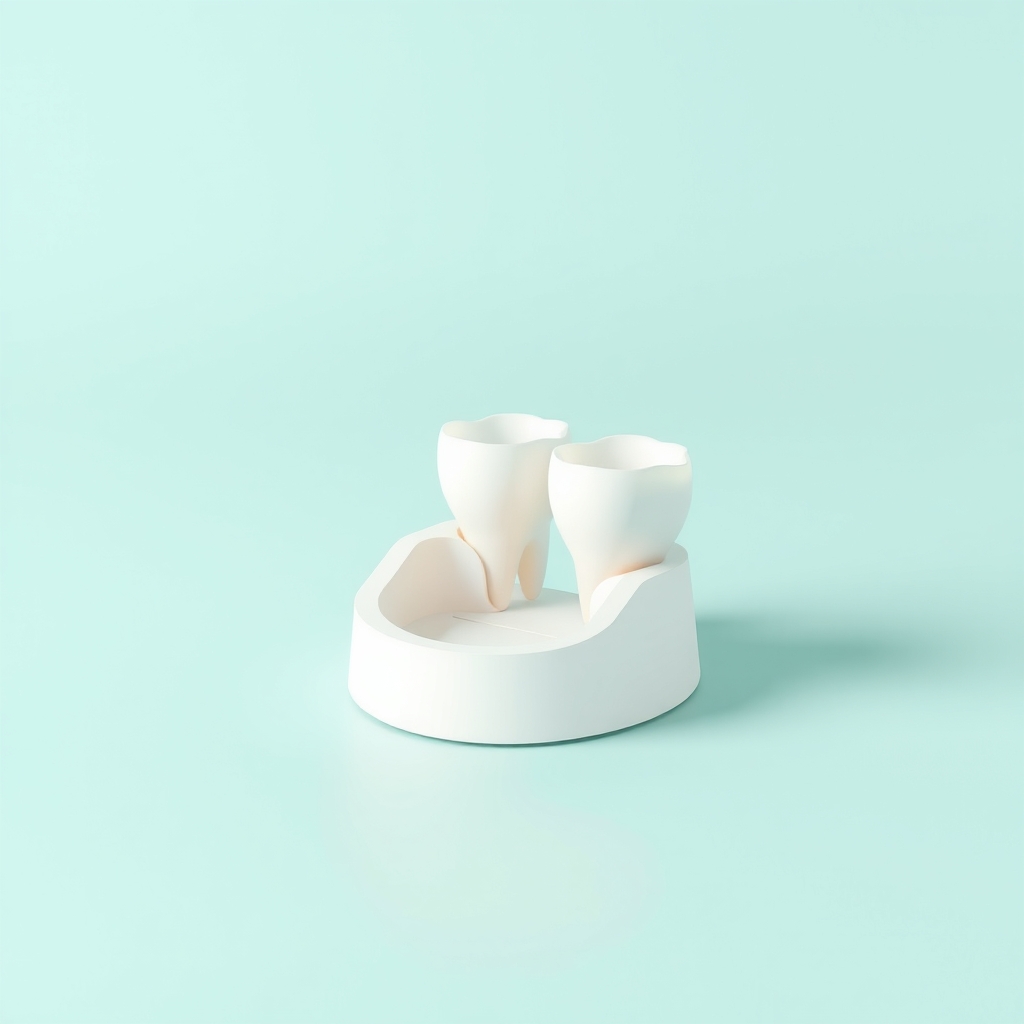
A space maintainer is a small custom-made appliance, usually made of metal or a combination of metal and acrylic, that is fitted into the gap left by a missing baby tooth. It does not replace the tooth for chewing purposes in most cases. Its job is simply to hold the space open so that neighbouring teeth do not drift, tip, or shift into the gap before the permanent tooth is ready to come through.
Why Early Tooth Loss Is a Concern
When a baby tooth falls out well ahead of schedule, nearby teeth tend to lean or move into the empty space within weeks or months. Once this happens, there may not be enough room left for the permanent tooth to erupt in its proper position. This can lead to crowding, crooked teeth, bite problems, and sometimes the need for orthodontic treatment later in childhood or the teenage years. A simple, affordable space maintainer now can often prevent a more complicated and costly correction later.
Types of Space Maintainers
Dentists in Gurugram choose the type of space maintainer based on the child's age, which tooth was lost, and whether one or both sides of the jaw are affected.
- Band and loop maintainer: Used when a single baby tooth is lost on one side. A metal band is fitted on the neighbouring tooth with a loop extending to hold the space.
- Crown and loop maintainer: Similar to the band and loop, but used when the neighbouring tooth needs a crown, often because of decay.
- Distal shoe maintainer: Used when the first permanent molar has not yet erupted and needs guidance. This has a small metal extension that sits slightly below the gum line.
- Lingual or transpalatal arch: Used when teeth are missing on both sides of the lower or upper jaw. A metal wire connects the back teeth across the arch to keep both sides stable.
- Removable space maintainers: These look similar to a small retainer and can be taken out for cleaning, but they rely on the child wearing them consistently as advised.
Most children are fitted with a fixed appliance since it does not depend on the child remembering to wear it, which makes it more reliable for younger kids.
How the Procedure Works
The process is simple and usually completed in one or two short visits. The dentist examines the mouth, sometimes takes an X-ray to see how close the permanent tooth is to erupting, and takes measurements or an impression of the teeth. The appliance is then custom-made and cemented or fitted in a follow-up visit. Children can eat, speak, and brush normally afterwards, though sticky or hard foods should be avoided to prevent damage to the appliance.
Cost of Space Maintainers for Children in Gurugram
Costs vary depending on the type of appliance used, the number of teeth involved, and whether any extra treatment like a filling or crown is needed on the neighbouring tooth. As a general guide for Gurugram clinics, parents can expect the following typical range:
| Type of Space Maintainer | Typical Range (INR) |
|---|---|
| Band and loop (single side) | ₹2,500 to ₹5,000 |
| Crown and loop | ₹3,500 to ₹6,500 |
| Lingual or transpalatal arch | ₹4,500 to ₹8,000 |
| Removable appliance | ₹3,000 to ₹6,000 |
These figures are indicative only. Your dentist will confirm the exact cost after examining your child, since factors like additional X-rays, the material used, and follow-up adjustments can affect the final amount.
Caring for a Space Maintainer
- Avoid chewing gum, caramel, and other sticky foods
- Encourage gentle brushing around the appliance twice a day
- Keep regular dental check-ups so the dentist can track the permanent tooth's progress
- Contact your dentist promptly if the appliance feels loose or comes out
Early tooth loss in children is common, and with timely attention it rarely causes lasting problems. If your child has lost a baby tooth earlier than expected, a dental check-up can help determine whether a space maintainer is needed and which type would suit them best.
Have questions about your teeth?
Neo Smile Dental Clinic · 799 First Floor, Sector 9A, Opposite ESI Hospital, Gurugram
Frequently asked questions
Will my child need a space maintainer for every lost baby tooth?
No. It depends on which tooth is lost and how early. Front teeth lost close to their natural shedding time usually do not need one, but molars lost early almost always do.
Can a space maintainer come out on its own?
Yes, if a child plays with it, bites hard or sticky food, or if cement weakens, the appliance can loosen or come out. Regular check-ups help catch this early.
Does fitting a space maintainer hurt?
No injections or drilling are usually needed. The dentist takes measurements or an impression, and fitting the device is generally painless, though the mouth may feel odd for a day or two.
How long does a child need to wear one?
Until the permanent tooth underneath is ready to erupt, which your dentist will track with periodic visits and sometimes an X-ray.
Treatment costs mentioned on this page are indicative ranges for the Gurugram region. Your exact cost depends on your case and will be confirmed after a clinical examination at the clinic.