Plaque vs Tartar: What They Are and How to Prevent Buildup
Many patients in Gurugram ask us why their teeth feel rough or look slightly yellow near the gum line even when they brush regularly. The answer usually comes down to two related but different things: plaque and tartar. Understanding how they form can help you prevent both with simple daily habits.
What is Dental Plaque?
Plaque is a soft, sticky, colourless film that forms on your teeth throughout the day. It is made up of bacteria, food particles, and saliva. Every time you eat or drink something with sugar or starch, the bacteria in your mouth feed on it and produce acids. These acids combine with bacteria to create plaque within just a few hours.
Plaque is normal and forms constantly, but it is also easy to remove when it is still soft. This is exactly why brushing twice a day and flossing once a day works so well when done consistently.
What is Tartar?
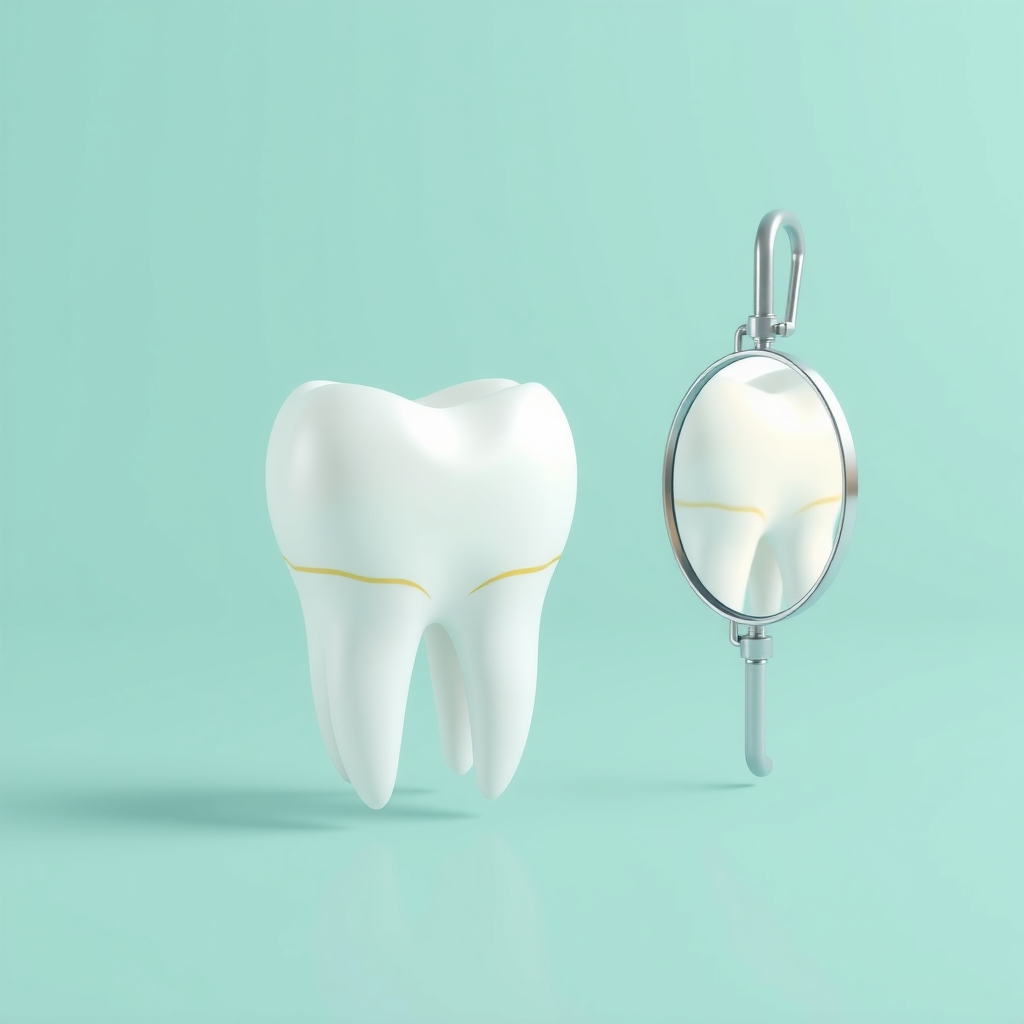
Tartar, also called dental calculus, is what plaque becomes when it is left on the teeth for too long. Minerals in your saliva cause the soft plaque to harden and bond firmly to the tooth surface, usually within one to three days of being left undisturbed.
Unlike plaque, tartar cannot be brushed away. It is rough, often yellow or brownish in colour, and commonly builds up near the gum line and on the inner surface of the lower front teeth, where saliva glands are most active. Once tartar forms, only a dental professional can remove it safely using scaling tools.
Why the Difference Matters
Plaque is preventable and reversible with daily care. Tartar is not something you can manage at home once it has hardened. This is why dentists often say that consistent daily cleaning habits are more valuable than trying to "deep clean" occasionally. Prevention is simply easier than treatment at this stage.
| Feature | Plaque | Tartar |
|---|---|---|
| Texture | Soft, sticky film | Hard, rough deposit |
| Colour | Usually colourless or pale yellow | Yellow, brown, or grayish |
| Can be removed at home | Yes, with brushing and flossing | No, requires professional cleaning |
| Formation time | Within hours of eating | Within 24 to 72 hours if plaque is not removed |
How Plaque and Tartar Affect Oral Health
If plaque and tartar are allowed to build up over time, they can lead to a number of oral health concerns, including:
- Gum inflammation and bleeding, an early sign of gingivitis
- Bad breath that does not improve with mouthwash alone
- Tooth decay, since plaque bacteria produce acids that wear down enamel
- Gum recession and bone loss in more advanced, long-standing cases
Daily Steps to Prevent Buildup Between Cleanings
The good news is that preventing plaque from turning into tartar is mostly about consistency, not complicated routines. Here are practical steps that make a real difference:
- Brush twice daily using a soft-bristled brush and fluoride toothpaste, spending at least two minutes each time.
- Floss once a day to clean between teeth where a brush cannot reach, especially along the gum line.
- Use an antibacterial or fluoride mouth rinse if recommended by your dentist, to reduce bacteria between brushing sessions.
- Limit sugary and starchy snacks throughout the day, since frequent snacking gives bacteria more opportunities to produce acid.
- Drink water after meals to help rinse away food particles when brushing right away is not possible.
- Avoid smoking and tobacco use, which are linked to faster plaque and tartar accumulation.
- Replace your toothbrush every three months or sooner if the bristles are frayed, since worn bristles clean less effectively.
The Role of Professional Cleanings
Even with excellent home care, some tartar tends to form in hard-to-reach spots over time. Regular professional cleanings, usually every six months, allow your dentist to remove tartar safely and check for early signs of gum disease or decay before they become bigger problems. For patients in Gurugram, keeping to a consistent cleaning schedule is one of the simplest ways to protect long-term oral health.
If you notice rough patches on your teeth, persistent bad breath, or bleeding gums, it is worth getting a check-up rather than waiting for your next scheduled visit. Early attention usually means simpler, more comfortable treatment.
Have questions about your teeth?
Neo Smile Dental Clinic · 799 First Floor, Sector 9A, Opposite ESI Hospital, Gurugram
Frequently asked questions
Can I remove tartar at home with brushing or tools?
No. Once plaque hardens into tartar, it bonds tightly to the tooth surface and cannot be removed with a toothbrush or home tools. Only a dentist or hygienist can safely remove it using professional instruments.
How quickly does plaque turn into tartar?
Soft plaque can begin hardening into tartar within 24 to 72 hours if it is not removed through brushing and flossing. This is why consistent daily cleaning matters more than occasional deep cleaning.
Does tartar always cause cavities or gum disease?
Not immediately, but tartar provides a rough surface where bacteria keep collecting, which raises the risk of gum inflammation, bad breath, and decay over time if left untreated.
How often should I get professional cleaning in Gurugram?
Most patients benefit from a check-up and cleaning every six months, though some with faster tartar buildup may need it every three to four months. Your dentist can advise based on your mouth's condition.
Treatment costs mentioned on this page are indicative ranges for the Gurugram region. Your exact cost depends on your case and will be confirmed after a clinical examination at the clinic.