Oil Pulling for Oral Health: What the Evidence Actually Says
Oil pulling has become a popular home remedy, with many patients in Gurugram asking us whether swishing oil in the mouth can replace brushing, whiten teeth, or cure gum disease. As a dental clinic, we want to give you an honest, evidence-based answer rather than repeat social media claims. Here is what research actually shows, and where oil pulling fits alongside standard dental hygiene.
What Is Oil Pulling?
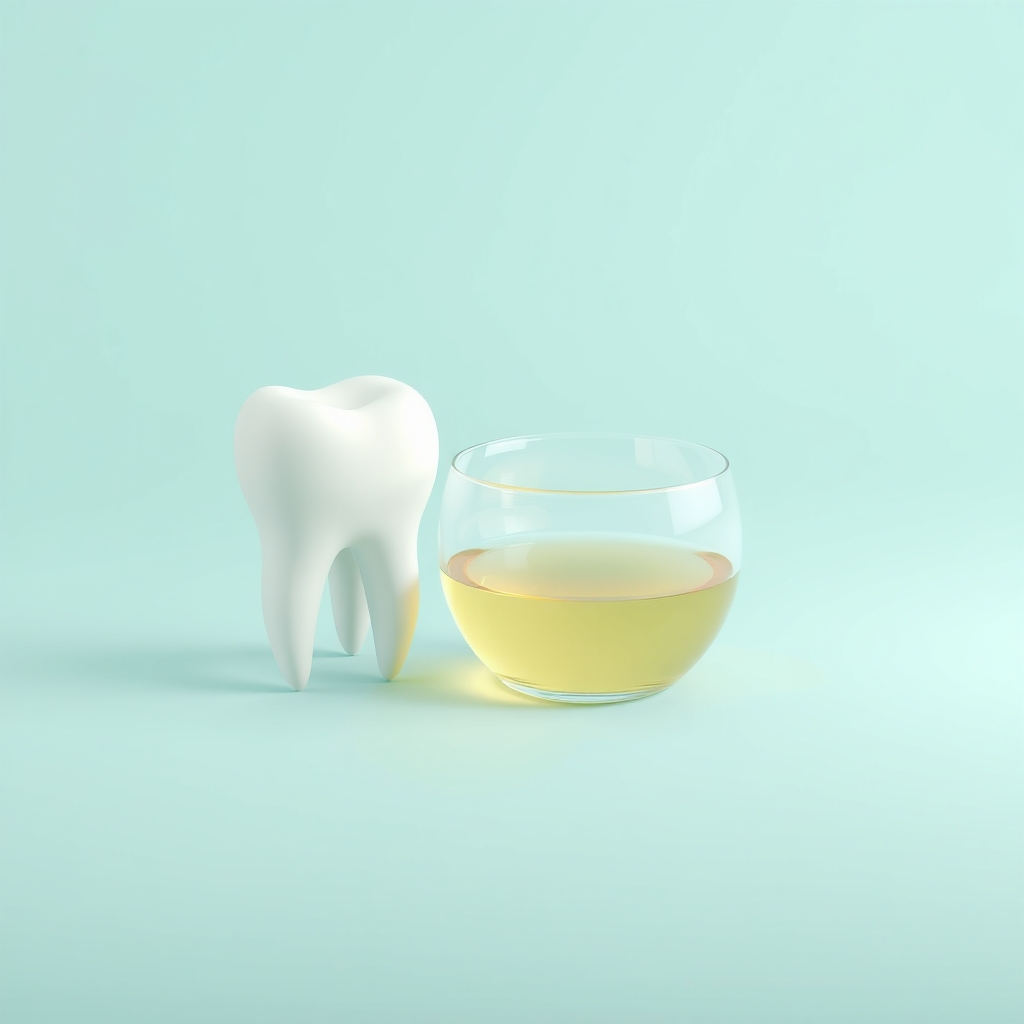
Oil pulling is an old practice, originally from Ayurvedic tradition, where a tablespoon of oil, usually coconut, sesame, or sunflower, is swished around the mouth for 10 to 15 minutes and then spat out. The idea is that the oil "pulls" bacteria and toxins out of the mouth.
What Research Actually Supports
Several small clinical studies have looked at oil pulling, mainly comparing it to mouthwash or no intervention. The honest summary is:
- Reduced bacterial counts: Some studies show oil pulling can modestly lower the number of certain bacteria in saliva, similar to using a basic mouthwash.
- Possible reduction in plaque and gingivitis: A few trials report mild improvement in plaque scores and gum inflammation when oil pulling is done daily alongside brushing, not instead of it.
- Limited, low-quality evidence: Most studies are small, short in duration, and not well controlled. Major dental associations, including the American Dental Association, have not endorsed oil pulling due to insufficient high-quality evidence.
Popular Myths That Are Not Supported
- "Oil pulling whitens teeth": There is no reliable evidence that oil pulling changes tooth colour. Surface staining is better addressed through professional cleaning.
- "Oil pulling removes toxins from the body": This claim has no scientific basis. The mouth does not detoxify the body through oil swishing.
- "Oil pulling cures cavities or gum disease": Oil pulling cannot repair decay, reverse an infection, or treat periodontal disease. These need proper dental treatment.
- "Oil pulling can replace brushing": It cannot mechanically remove plaque stuck to tooth surfaces the way brushing and flossing can.
How Oil Pulling Compares to Standard Dental Hygiene
| Practice | Evidence Level | What It Can Do |
|---|---|---|
| Brushing twice daily with fluoride toothpaste | Strong, well established | Removes plaque, prevents cavities and gum disease |
| Flossing or interdental cleaning | Strong | Cleans between teeth where a brush cannot reach |
| Regular dental check-ups and cleanings | Strong | Detects problems early, removes tartar, professional guidance |
| Oil pulling | Limited, preliminary | May offer mild additional benefit to bacterial load and gum health |
Should You Try Oil Pulling?
If you already brush twice daily, floss, and visit your dentist regularly, adding oil pulling is unlikely to cause harm and may offer a small supplementary benefit. However, it should never be used as a reason to skip brushing, flossing, or dental visits. Patients with existing gum disease, cavities, or sensitivity should still seek proper treatment rather than relying on oil pulling alone.
A Few Practical Notes
- Spit the oil into a bin, not the sink, as it can clog pipes over time.
- Do not swallow the oil, since it collects bacteria and food debris during swishing.
- Stop if you notice jaw discomfort from prolonged swishing.
- Continue your regular brushing and flossing routine regardless of whether you oil pull.
Our Honest Recommendation
At Neo Smile Dental Clinic, we encourage patients in Gurugram to focus on proven basics first: brushing with fluoride toothpaste, daily flossing, a balanced diet, and routine dental check-ups. Oil pulling can be an optional, low-risk addition for those curious about natural remedies, but it is not a proven treatment for cavities, gum disease, or whitening. If you have concerns about your oral health, a check-up will give you a clearer picture than any home remedy can.
Have questions about your teeth?
Neo Smile Dental Clinic · 799 First Floor, Sector 9A, Opposite ESI Hospital, Gurugram
Frequently asked questions
Can oil pulling replace brushing and flossing?
No. Oil pulling has no proven ability to remove plaque from tooth surfaces or clean between teeth the way a toothbrush and floss do. It can only ever be an optional addition, not a substitute.
Which oil is best for oil pulling?
Coconut oil, sesame oil, and sunflower oil have all been studied, with similar results. Coconut oil is often preferred for taste. No oil has been shown to be clearly superior for dental health.
Is oil pulling safe for everyone?
It is generally safe for most adults when done correctly, but it is not recommended for young children who may swallow the oil, and it should never delay treatment for an existing dental problem.
How long should I oil pull and how often?
Studies typically use 10 to 15 minutes once daily. Pulling for shorter periods has less evidence behind it, and pulling for much longer offers no proven extra benefit.
Treatment costs mentioned on this page are indicative ranges for the Gurugram region. Your exact cost depends on your case and will be confirmed after a clinical examination at the clinic.