Traditional Flossing vs Water Flossers: Which One Is Right for You?
Brushing alone cleans only about 60 percent of your tooth surfaces. The rest, especially the tight spaces between teeth and along the gumline, need interdental cleaning. Many patients at our Gurugram clinic ask us whether traditional string floss or a water flosser like Waterpik is the better choice. The honest answer is that both work well when used correctly, but they suit different needs. Here is a clear, practical comparison to help you decide.
Why Interdental Cleaning Matters
Food particles and plaque collect between teeth where a toothbrush cannot reach. Left undisturbed, this plaque hardens into tartar and irritates the gums, leading to bleeding, bad breath, and eventually gum disease. Regular interdental cleaning, done gently and daily, is one of the simplest ways to protect your gums and reduce cavity risk between teeth.
Traditional String Floss: The Basics
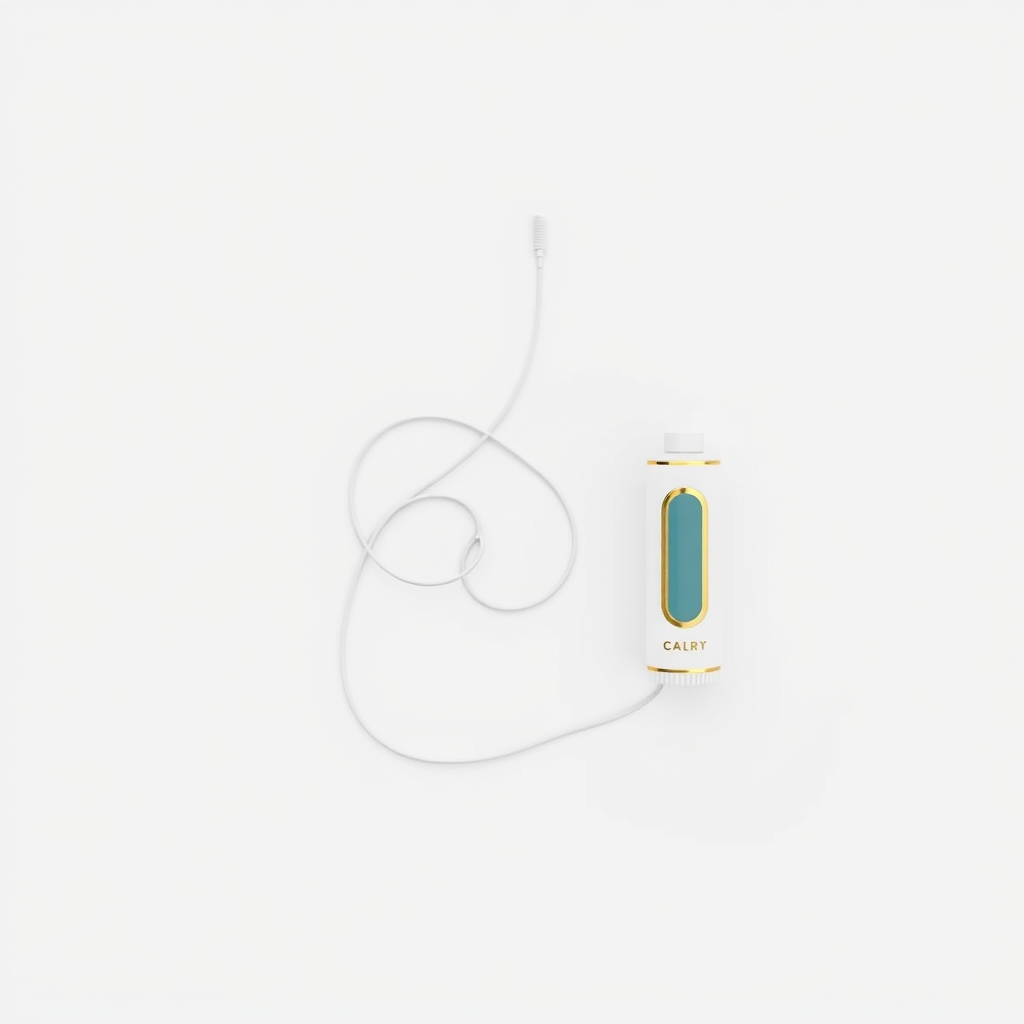
String floss has been the standard recommendation for decades. It is a thin thread that you guide between each tooth in a gentle C-shape motion to scrape away plaque and debris.
Advantages
- Very affordable and easily available at any pharmacy in Gurugram
- Compact and travel-friendly
- Effective at removing tight, stuck plaque when technique is correct
- No batteries or charging required
Limitations
- Requires good finger dexterity and practice
- Can be difficult around braces, bridges, or tightly spaced teeth
- Improper technique may injure gums if done too roughly
Water Flossers: The Basics
A water flosser uses a targeted, pulsing stream of water to flush out debris and plaque from between teeth and along the gumline. It is used as a supplement to brushing, not usually as a full replacement for brushing.
Advantages
- Gentle on gums, often preferred by people with sensitive gums
- Easier to use for people with braces, implants, bridges, or limited hand mobility
- Can reach slightly below the gumline better than string floss in some cases
- Many people find it more comfortable, which encourages daily consistency
Limitations
- Higher upfront cost than a box of floss
- Needs electricity or batteries and regular cleaning of the reservoir
- May not remove very sticky, compacted plaque as effectively as string floss alone
- Slightly messier to use, especially while learning
Side-by-Side Comparison
| Factor | String Floss | Water Flosser |
|---|---|---|
| Cost | Low, ongoing small expense | Higher one-time device cost, typical range varies by brand |
| Ease for braces or bridges | Difficult, needs floss threaders | Generally easier |
| Gum sensitivity | Can irritate if technique is poor | Usually gentler |
| Plaque removal on tight contacts | Very effective | Good, but may need combining with floss |
| Portability | Excellent | Limited, needs power source |
Which One Should You Choose?
If you already floss consistently with good technique and have no major dental appliances, string floss remains a reliable, low-cost option. If you struggle with dexterity, wear braces or aligners, have implants or bridges, or find string floss uncomfortable, a water flosser may help you stay consistent, which is often more important than the tool itself.
Many of our patients in Gurugram actually use both: a water flosser for daily gum-line cleaning and string floss occasionally for very tight contact points. There is no single "correct" method, only the one you will use every day without skipping.
Tips for Effective Interdental Cleaning
- Clean between teeth once daily, ideally before bed
- Use gentle pressure, never force floss or water pressure into inflamed gums
- Replace floss or water flosser tips regularly for hygiene
- Pair interdental cleaning with twice-daily brushing and a soft-bristled brush
If you notice persistent bleeding, swelling, or discomfort despite regular cleaning, it is worth getting a professional evaluation. Our team at Neo Smile Dental Clinic, opposite ESI Hospital in Sector 9A, Gurugram, can assess your gum health and recommend the interdental cleaning approach best suited to your teeth and lifestyle.
Have questions about your teeth?
Neo Smile Dental Clinic · 799 First Floor, Sector 9A, Opposite ESI Hospital, Gurugram
Frequently asked questions
Can a water flosser fully replace string floss?
For most people, string floss or a water flosser used correctly can both maintain healthy gums. However, if you have braces, implants, or bridges, a water flosser often reaches areas string floss cannot, though your dentist may still recommend occasional string flossing too.
Is it normal for gums to bleed when I start flossing?
Mild bleeding in the first week or two of consistent flossing is common, especially if gums are inflamed. If bleeding continues beyond two weeks or is heavy, please visit Neo Smile Dental Clinic for a check-up.
How often should I use a water flosser?
Once daily is generally sufficient for most people, ideally after brushing. Your dentist may suggest twice daily if you have gum disease or orthodontic appliances.
Which option is more budget-friendly for long-term use?
String floss has a lower upfront cost, while a water flosser is a one-time device purchase with minimal running costs. Both are affordable ways to protect your gum health over time.
Treatment costs mentioned on this page are indicative ranges for the Gurugram region. Your exact cost depends on your case and will be confirmed after a clinical examination at the clinic.