Failing or Failed Dental Implants: Warning Signs, Causes and Treatment
Dental implants have a strong long-term success rate, but like any dental treatment, they can occasionally run into trouble. Recognising the early warning signs of a failing implant can make the difference between a simple fix and losing the implant altogether. If you have an implant and something feels off, this guide will help you understand what to watch for and when to get it checked.
Warning Signs You Should Not Ignore
Most implant problems give some kind of signal before things get serious. Pay attention if you notice:
- Pain or discomfort around the implant that does not settle down over a few days
- A feeling of looseness or movement when you bite or chew
- Swelling, redness, or pus around the gum line near the implant
- Persistent bad breath or a bad taste near the implant site
- Gum recession that exposes part of the metal post
- Difficulty chewing on that side, or a change in how your bite feels
One or two mild symptoms right after surgery can be normal as healing takes place. But symptoms that worsen, return after initially improving, or appear months or years after placement should be taken seriously.
When to Seek Urgent Care
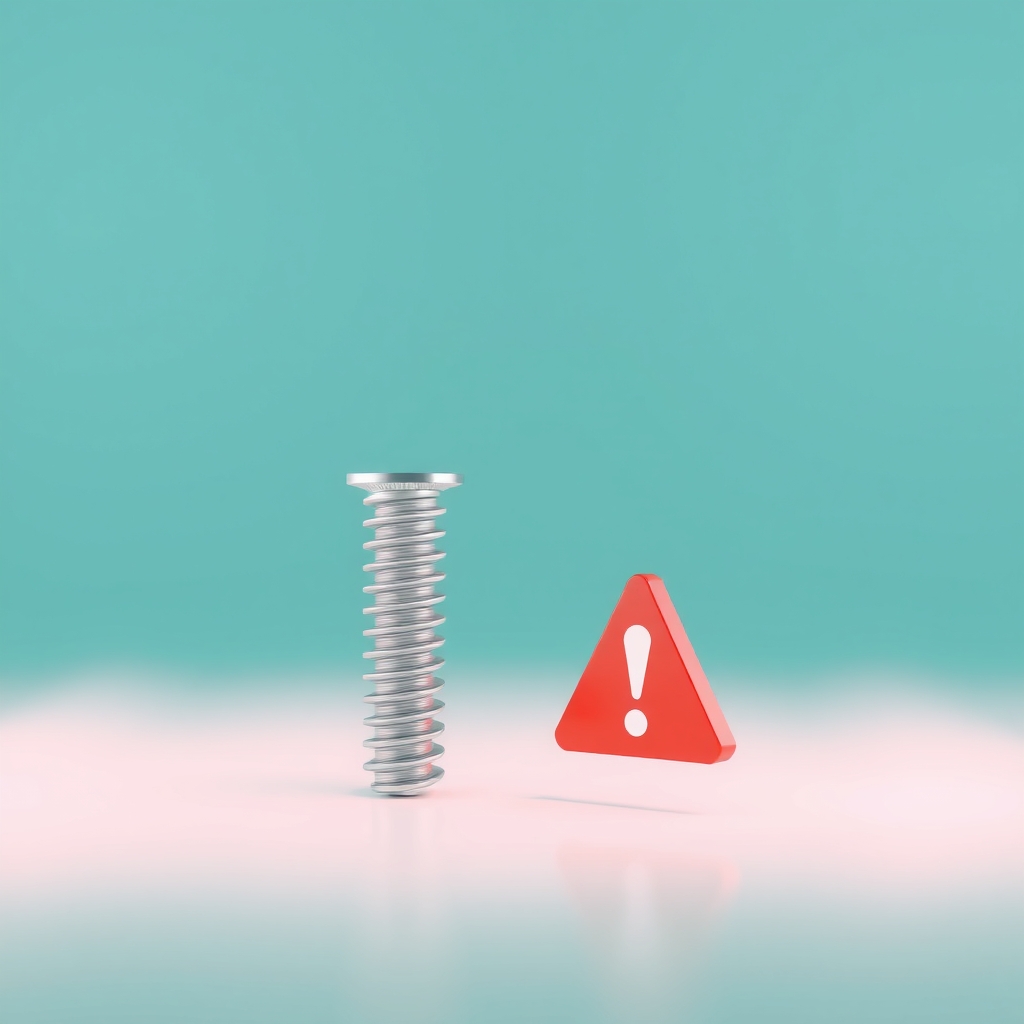
Contact your dentist promptly if you experience visible movement of the implant, sudden sharp pain, swelling that is spreading, fever, or pus discharge. These can point to an active infection or mechanical failure that needs timely attention to protect the surrounding bone and gum tissue.
Common Causes of Implant Failure
Implants can fail for several reasons, and understanding the cause helps guide the right treatment.
Peri-implantitis (Gum Infection Around the Implant)
This is the most common cause of late implant failure. It is similar to gum disease around a natural tooth, caused by plaque and bacteria building up around the implant. Left untreated, it leads to bone loss and eventual loosening of the implant.
Poor Osseointegration
Sometimes the implant does not fuse properly with the jawbone, often due to insufficient bone density, smoking, uncontrolled diabetes, or infection during the healing phase.
Excess Bite Force
Grinding your teeth at night, a misaligned bite, or putting too much pressure on the implant too soon after placement can cause mechanical strain and loosening over time.
Poor Oral Hygiene
Implants need the same care as natural teeth. Skipping regular brushing, flossing, and dental check-ups allows bacteria to build up around the implant base.
Material or Placement Issues
Rarely, implant failure relates to the quality of placement, improper angling, or an allergic reaction to the implant material.
How Dentists Diagnose Implant Problems
Diagnosis usually involves a clinical examination, gentle probing of the gum around the implant, and an X-ray or scan to check bone levels. This helps determine whether the issue is in the soft tissue, the bone, or the implant hardware itself.
| Stage | What It Means | Typical Approach |
|---|---|---|
| Early gum inflammation | Redness and swelling, bone intact | Deep cleaning, improved hygiene routine |
| Peri-implantitis with bone loss | Infection has reached the bone | Surface decontamination, possible bone grafting |
| Mechanical loosening | Screw or crown issue, implant stable | Tightening or replacing the component |
| Implant failure | Implant itself is mobile or badly infected | Removal, healing time, re-evaluation for a new implant |
Treatment Options Based on Severity
Treatment depends entirely on how early the problem is caught.
- Early stage: Professional cleaning around the implant, antimicrobial rinses, and better home care often resolve mild inflammation.
- Moderate stage: If bone loss has started, your dentist may recommend a deeper cleaning procedure, local antibiotics, or minor gum surgery to reduce infection.
- Advanced stage: When the implant is clearly loose or severely infected, removal is usually necessary. The site is then allowed to heal, sometimes with bone grafting, before considering a replacement implant.
In the typical range of cases seen in Gurugram clinics, costs for these treatments vary widely depending on severity, from a simple cleaning visit to more involved grafting and replacement procedures. Your dentist can give you a clearer estimate once the exact cause is identified.
Protecting Your Implant Long Term
Routine dental visits, good brushing and flossing habits, avoiding tobacco, and managing conditions like diabetes all support implant longevity. If you grind your teeth, a night guard can reduce unnecessary strain on the implant.
If you are in Gurugram and noticing any pain, looseness, or swelling around a dental implant, it is best not to wait. Early evaluation gives you the best chance of saving the implant and avoiding more extensive treatment later.
Have questions about your teeth?
Neo Smile Dental Clinic · 799 First Floor, Sector 9A, Opposite ESI Hospital, Gurugram
Frequently asked questions
How soon after implant surgery can failure happen?
Early failure usually shows up within the first three to six months, while the implant is still fusing with the bone. Late failure can occur years later due to gum disease or excess bite force.
Is a loose implant always a sign of failure?
Not always. Sometimes only the crown or abutment screw is loose, which is a simple fix. But if the implant post itself moves, it usually needs further evaluation right away.
Can a failing implant be saved without removing it?
In many early-stage cases, yes. Treating gum infection, cleaning the implant surface, and adjusting the bite can sometimes stop the problem before bone loss becomes severe.
What happens if the implant has to be removed?
The area is allowed to heal, sometimes with bone grafting, and a new implant can often be placed later once the site is healthy and stable.
Treatment costs mentioned on this page are indicative ranges for the Gurugram region. Your exact cost depends on your case and will be confirmed after a clinical examination at the clinic.